
How Long Do Dental Fillings Last?
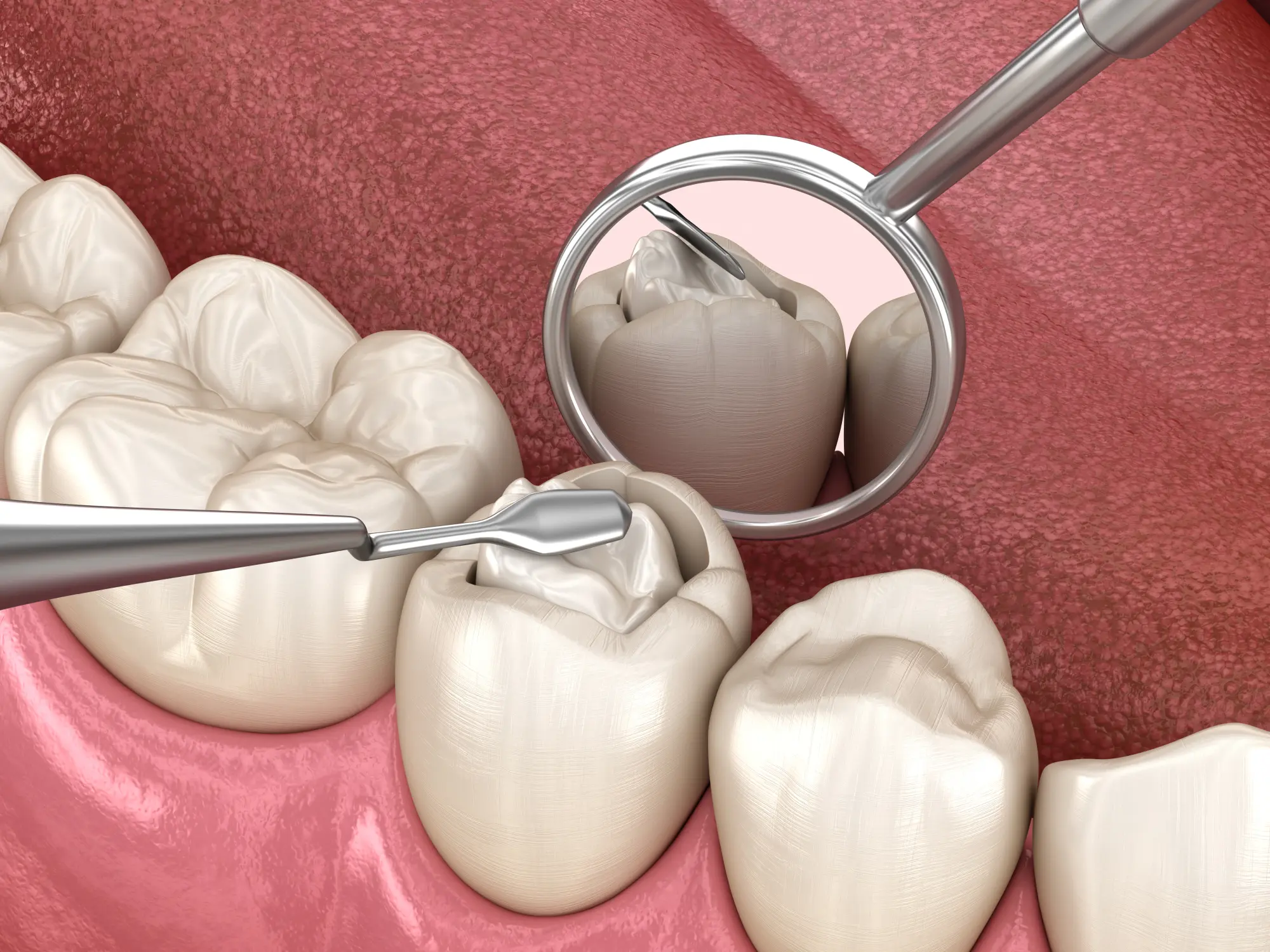
Dental fillings are a common solution for cavities and tooth decay, providing protection and restoring functionality to damaged teeth. However, like any dental restoration, fillings are not permanent and will eventually need to be replaced.
Understanding how long dental fillings last and the factors that influence their longevity can help you maintain optimal oral health and avoid unexpected dental issues. In this blog, we'll explore the lifespan of different types of fillings, the signs that indicate it's time for a replacement, and tips for extending the life of your dental work.
Types of Dental Fillings and Their Lifespan
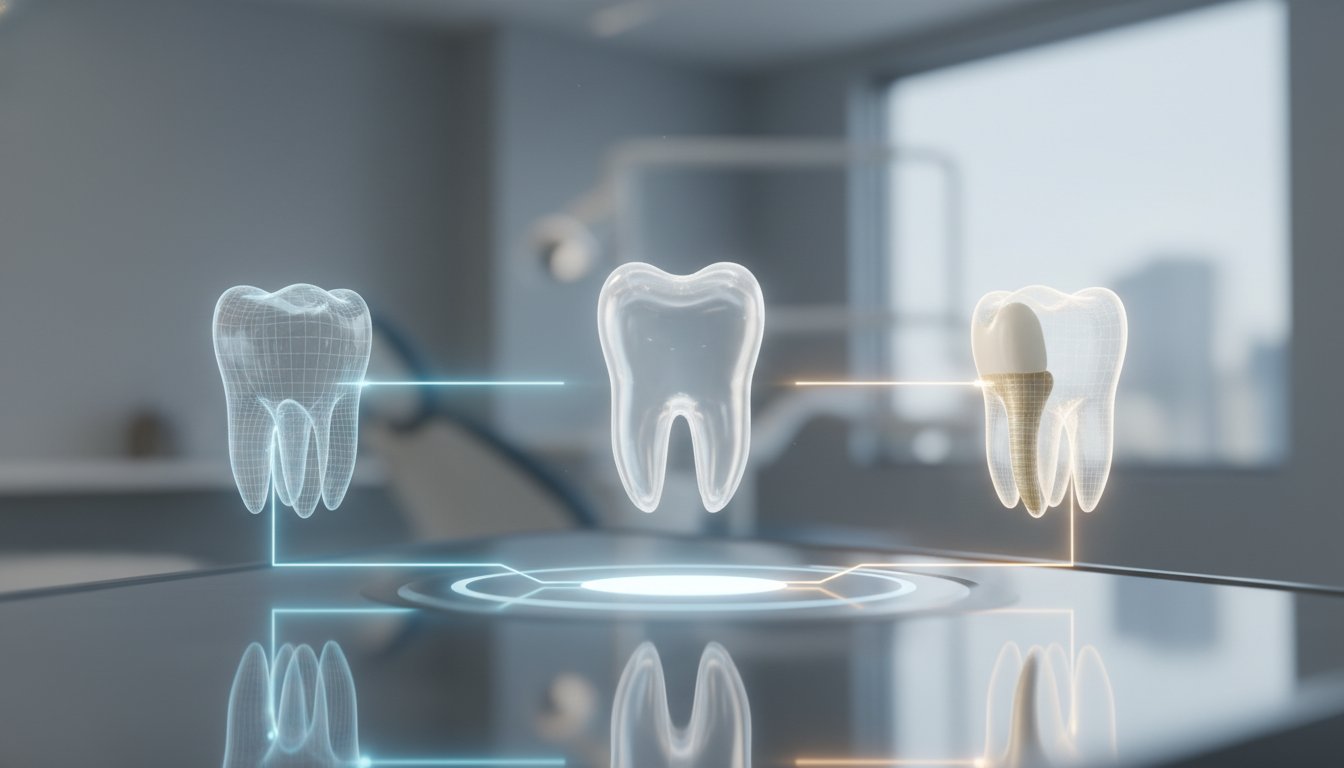
The longevity of dental fillings largely depends on the materials used. Here are some common types of fillings and their expected lifespan:
- Amalgam Fillings: These silver-colored fillings are known for their durability and can last 10 to 15 years or more with proper care.
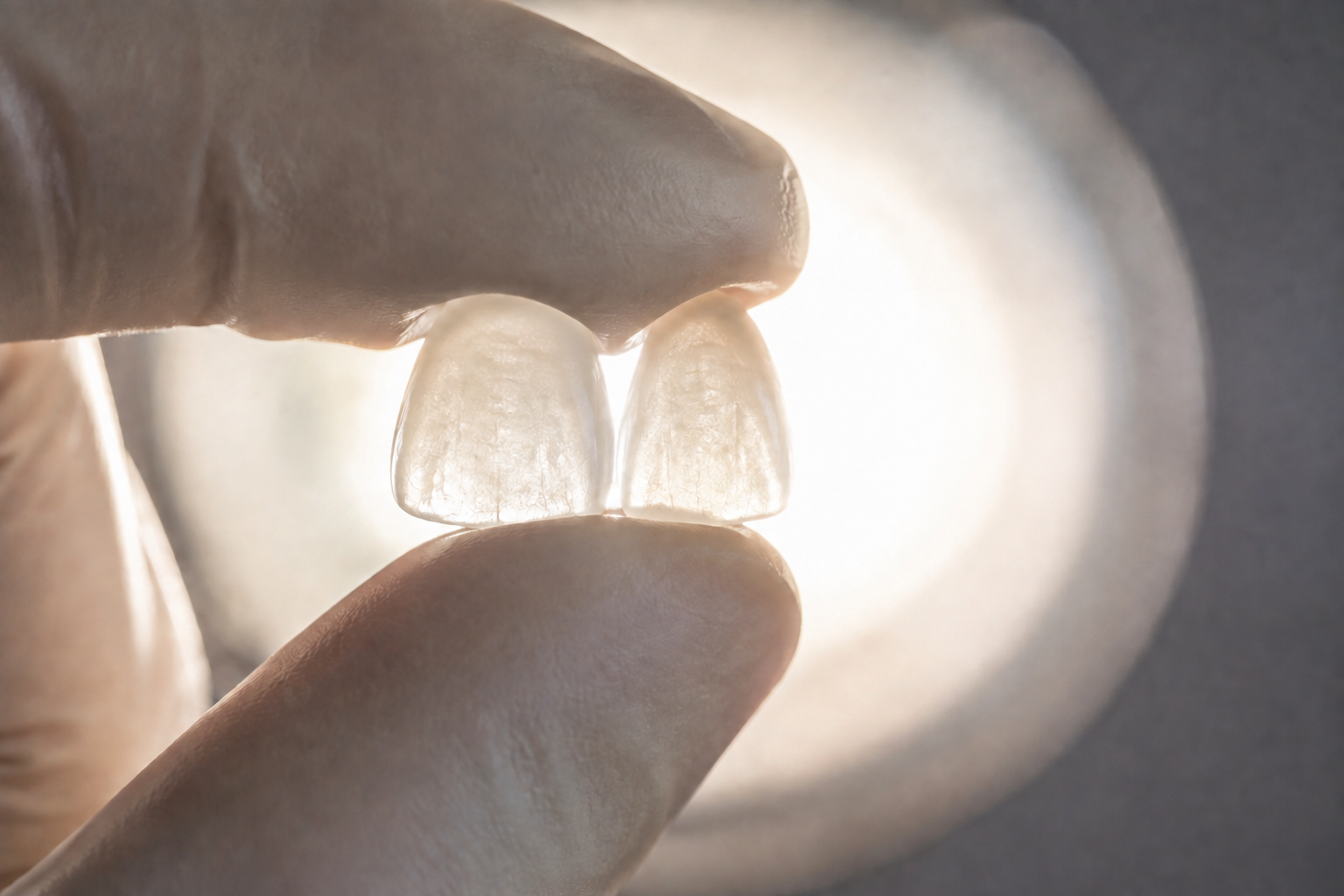
- Composite Fillings: Made from a tooth-colored resin, composite fillings offer a natural appearance but typically last 5 to 10 years.
Each type of filling has its pros and cons, and your dentist can help you choose the best option based on your specific needs and budget.
Factors Affecting the Longevity of Fillings
Several factors can influence how long your dental fillings will last:
- Oral Hygiene: Maintaining a good oral hygiene routine, including regular brushing and flossing, can help prolong the life of your fillings.
- Diet: A diet high in sugar and acidic foods can wear down fillings more quickly, leading to earlier replacement.
- Teeth Grinding: Bruxism, or teeth grinding, can put excessive pressure on fillings, causing them to crack or wear out prematurely.
- Regular Dental Check-Ups: Routine visits to your dentist allow for early detection of any issues with your fillings, ensuring timely intervention.
By being mindful of these factors, you can help extend the life of your dental fillings and maintain a healthy smile.
Signs Your Fillings Need Replacement
It's essential to be aware of the signs that indicate your dental fillings may need to be replaced:
- Pain or Sensitivity: If you experience discomfort or sensitivity in a filled tooth, it may be a sign that the filling is damaged or has worn away.
- Visible Damage: Cracks, chips, or rough edges on a filling are clear indicators that it needs attention.
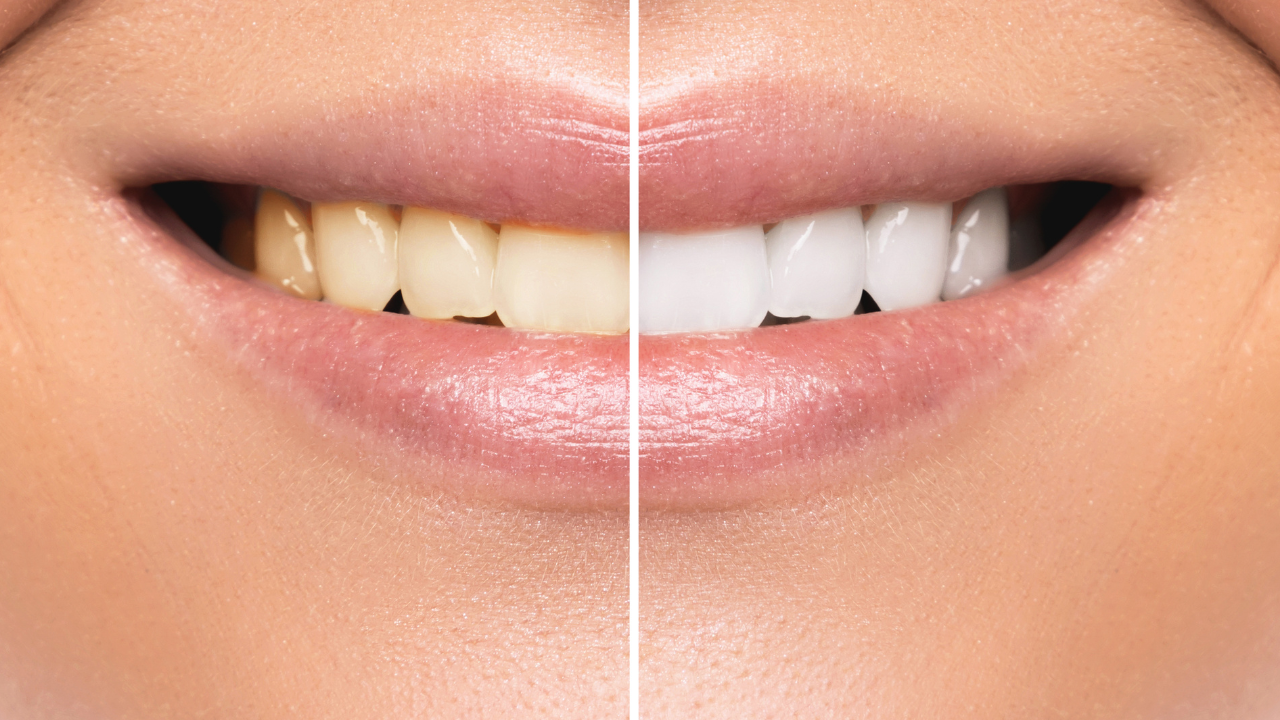
- Discoloration: A discolored composite filling or discoloration in the tooth structure around the filling can suggest a problem, such as tooth decay.
- Loose Fillings: A filling that feels loose or has fallen out requires immediate dental care.
Regular dental check-ups can help catch these signs early, allowing for prompt replacement and preventing further damage to your teeth.
Tips for Extending the Life of Your Fillings
Here are some practical tips to help you get the most out of your dental fillings:
- Practice Good Oral Hygiene: Brush twice a day, floss daily, and use an antibacterial mouthwash to keep your teeth and fillings clean.
- Limit Sugar and Acidic Foods: Reducing your intake of sugary and acidic foods can help prevent decay and preserve your fillings.
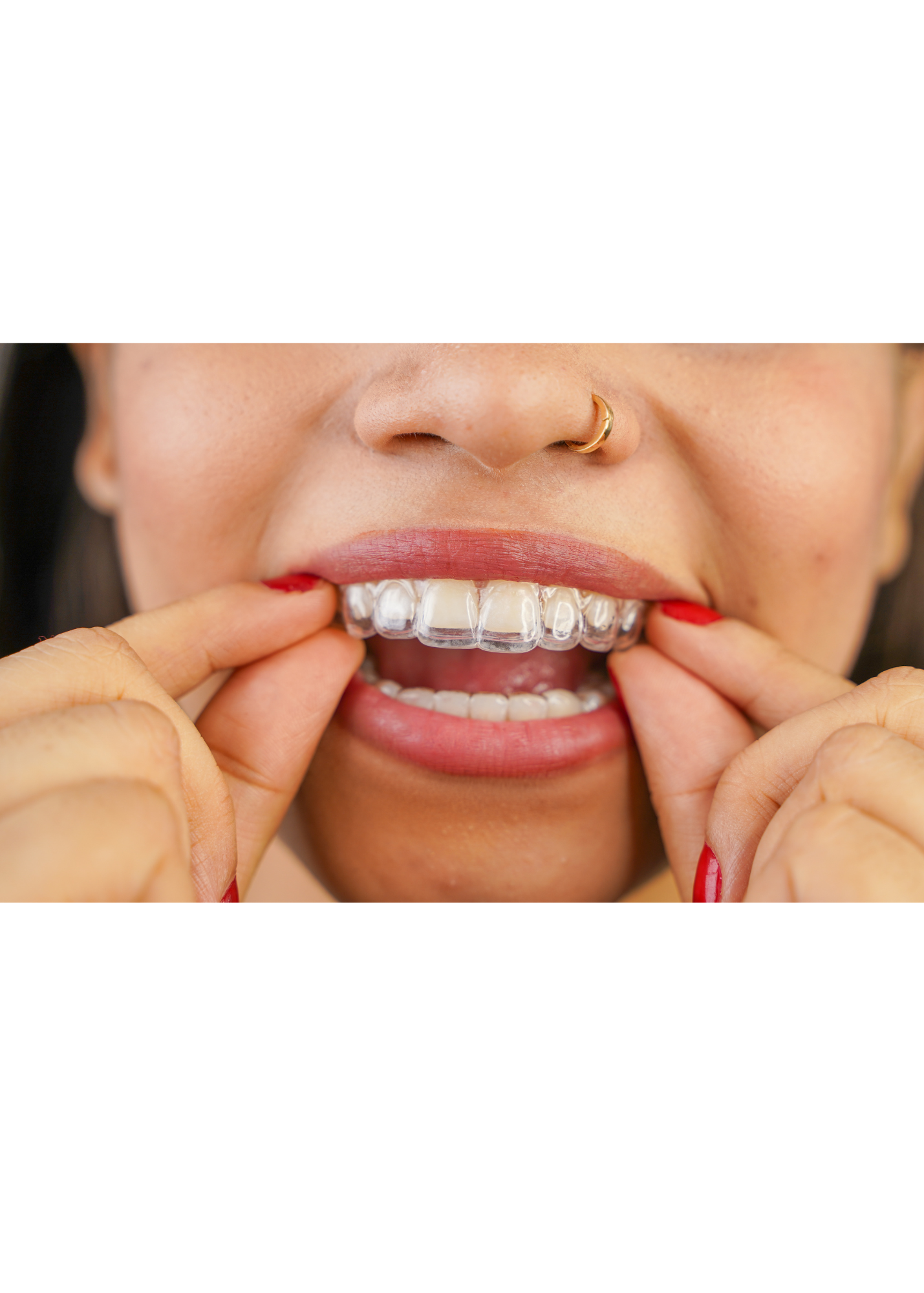
- Wear a Mouthguard: If you grind your teeth at night, consider using a mouthguard to protect your fillings from excessive wear.
- Schedule Regular Dental Visits: Routine check-ups allow your dentist to monitor the condition of your fillings and address any issues promptly.
By following these tips, you can help ensure the longevity of your dental fillings and maintain a healthy, beautiful smile.
Schedule Your Appointment with Hudson Dental Co. in Pleasantville, NY
If you're experiencing any issues with your dental fillings or simply want to ensure your oral health is in top shape, don't hesitate to reach out to Hudson Dental Co. Our experienced team, led by Dr. Rahul Kallianpur, is here to provide comprehensive dental care tailored to your needs. Contact us today at (914) 745-9787 to schedule an appointment in Pleasantville, NY, and take the first step towards a healthier smile!
%20(14).png)

%20(6).png)
%20(5).png)
%20(4).png)
%20(3).png)
%20(2).png)
)%20(1).png)










.jpg)