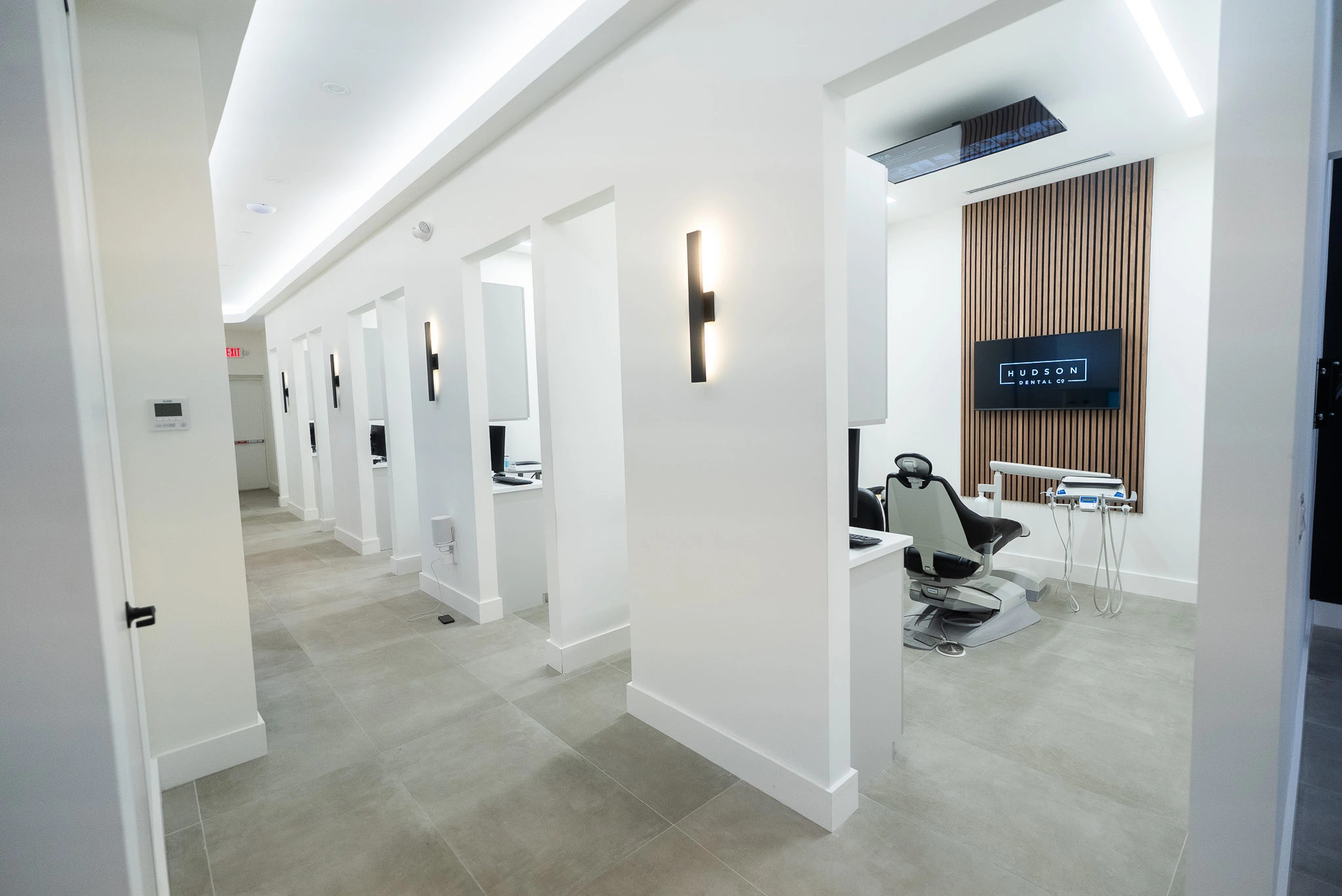
How Do They Put Veneers On? Step-by-Step Procedure & Patient Guide

Dr. Kallianpur
Key Takeaways
Dentists place porcelain veneers by preparing the teeth, taking impressions or digital scans, and bonding custom-made shells onto the front surfaces. Composite veneers follow a different process: the dentist bonds and sculpts tooth-colored resin directly onto the teeth. Your treatment schedule and preparation needs depend on the material and your individual plan.
What Happens Before Veneer Placement?
Getting veneers starts with a conversation about your dream smile, a smile preview, and an exam, not with bonding anything to your teeth.
Discuss your goals and check your oral health
Your dentist examines your teeth and gums, discusses what you want to change, and determines whether veneers are appropriate. Decay and gum disease need treatment first; veneers should not cover up an untreated dental problem.
Bring your questions, too. Before committing, ask:
- What preparation would my teeth need?
- Which material fits my goals?
- What are the alternatives?
- What happens if a veneer needs replacement later?
Choose the material, shape, and shade
Porcelain veneers are custom-made, handcrafted porcelain laminates . Direct composite veneers use tooth-colored resin that your dentist shapes on your teeth. Both involve choosing a shade, but the placement steps differ.
You may also hear a veneer called a “dental facing.” Ask which material and procedure your dentist means so you understand exactly what is planned.
At Hudson Dental Co., your veneer consultation with Dr. Rahul Kallianpur includes discussing your goals and whether treatment is right for your smile.
How Do They Put Veneers On? Step by Step
For lab-made porcelain veneers, the process moves from preparing your teeth to fitting and bonding the finished shells.
Step 1: Prepare the teeth when needed
For conventional porcelain veneers, the dentist may remove a small amount of enamel from the front and sides of the teeth to make room for the restorations. Because enamel may beremoved for some cases, this treatment is not reversible.
Preparation is worth discussing before you agree to treatment. “No-prep” and “minimal-prep” are not promises that every patient can avoid tooth alteration. Ask your dentist what your specific teeth would require.
Step 2: Take impressions or a digital scan
The dentist records the shape of the prepared teeth using an impression or a digital scanner. This creates the model a dental laboratory uses to make veneers that fit your teeth.
This step captures the teeth’s shape; shade selection helps guide their appearance.
Step 3: Make the custom veneers and use temporaries if needed
A dental technician makes the porcelain veneers from the impression or digital model. Your dentist may place temporary veneers while the permanent ones are being made.
The laboratory stage can take a few weeks, but your office should give you a timeline for your case rather than a guaranteed universal turnaround.
Before leaving, ask whether you will have temporaries and what instructions apply while wearing them.
Step 4: Check the fit, shape, and shade
Before bonding, the dentist places the veneers against your teeth to check their fit and appearance. This is the time to speak up about the shape or color, before they are permanently attached.
You do not need technical language. “That tooth looks longer than I expected” is useful feedback.
Step 5: Bond the veneers and check your bite
Once the fit is right, the dentist cleans the teeth and bonds the porcelain veneers into place using dental cement. They then check your bite and make any necessary adjustments.
That final check matters. Tell your dentist if closing your mouth feels uneven or one tooth seems to meet before the others.
How Is Composite Veneer Placement Different?
Direct composite veneers do not follow the same lab-made shell process.
Bonding and sculpting the resin directly on the tooth
After preparing the tooth, the dentist bonds and carefully sculpts tooth-colored composite material onto its surface. Instead of fitting a finished porcelain shell, they build the veneer’s shape directly on the tooth.
Hardening, shaping, and polishing
The dentist uses a special light to harden the composite, then smooths and polishes it. Composite veneers may require less enamel removal and fewer visits than porcelain veneers, but the right approach depends on your treatment needs.
Ask which process your treatment plan includes. “Getting veneers” can describe more than one procedure.
What Happens After Your Veneers Are Placed?
Getting used to the feel and bite
It may take a few days to get used to how your veneers feel. Your teeth may also become more sensitive to hot and cold after treatment only immediately after insertion
Follow your dentist’s instructions about eating, especially if your mouth is still numb. Cleveland Clinic advises waiting until anesthesia has worn off before eating or drinking after placement.
When to contact your dentist about the fit
An unfamiliar feeling is not a reason to ignore an uncomfortable bite. Tell your dentist if your teeth do not meet correctly after placement so they can assess and correct it.
A loose, chipped, or cracked veneer also needs professional attention. Veneers can require re-bonding, repair, or replacement over time.
Frequently Asked Questions
How are veneers put on teeth?
For porcelain veneers, a dentist prepares the teeth, takes impressions or digital scans, and has a laboratory make custom shells. At the fitting visit, the dentist checks their shape and fit, cleans the teeth, and bonds the veneers in place. Direct composite veneers are different: the dentist sculpts resin onto the teeth, hardens it with a special light, and polishes it.
How are porcelain veneers fitted?
The dentist checks each veneer’s fit, shape, and color before permanently attaching it. If adjustments are needed, they address those before bonding. After securing the veneers with dental cement, the dentist checks how your teeth meet and adjusts the bite as needed. Tell your dentist about any appearance concerns during the fitting, and report a bite that feels wrong afterward.
Do they put you under for veneers?
Do not assume that “anesthesia” means being put to sleep. Local anesthesia numbs a specific area of your mouth; general anesthesia causes a temporary loss of consciousness. Sedation is a separate option used to help manage anxiety. Ask your dentist what your veneer procedure requires. The approach should reflect your treatment, health history, and anxiety level, not a one-size-fits-all promise.
How much are veneers?
There is no single price that applies to every veneer treatment. Porcelain tends to be the more expensive option compared with composite, according to the ADA. Ask for a written estimate that identifies the material, teeth being treated, and what is included. Veneers are generally considered cosmetic, so do not assume insurance will cover them; confirm your benefits before proceeding.
Do dentists shave your teeth for veneers?
Conventional porcelain veneers usually involve removing a small amount of enamel from the front and sides of the teeth. Composite veneers may require less enamel removal. Because removing enamel makes treatment irreversible, ask your dentist to explain the preparation planned for your teeth. Do not assume a “no-prep” label guarantees no alteration; suitability and preparation needs must be assessed individually.
How many appointments does getting veneers take?
Lab-made porcelain veneers generally involve preparation and impressions before a later fitting and bonding visit. A consultation or additional adjustments may add appointments. Composite veneers may require fewer visits because the material is shaped directly on your teeth. Your dentist should explain both the expected visits and any laboratory waiting period so you know what your own schedule involves.
Ask What Your Veneer Procedure Would Involve
You should know what will happen to your teeth before deciding on veneers. Bring your questions about preparation, materials, comfort, and timing to a consultation with Dr. Rahul Kallianpur at Hudson Dental Co. Our office in Pleasantville, NY, welcomes patients from Briarcliff Manor, Chappaqua, Thornwood, and surrounding Westchester communities.
Contact us today or book online to schedule your consultation at Hudson Dental Co.
About The Doctor
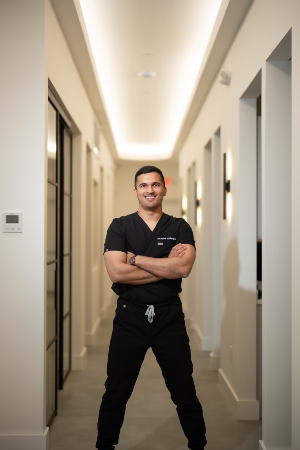
Dr. Kallianpur
Dr. Rahul Kallianpur grew up in Niskayuna, NY, and pursued dentistry driven by his passion for biology. After graduating from NYU, he completed a residency and advanced training in cosmetic dentistry. As the founder of Hudson Dental Co., he combines clinical expertise, artistic vision, and modern digital dentistry to create beautiful, confidence-boosting smiles in a welcoming environment.
Outside the office, he enjoys spending time with his family, cooking, traveling, playing soccer, and discovering music.