
%20(14).png)
Why Your Dentist's Continuing Education Matters
Your dentist graduated years ago, passed every exam, and earned the right to practice. So why should it matter what they've been studying lately? Here's the honest answer: dentistry doesn't stand still, and neither should the person responsible for your smile.
If you've ever left a dental appointment feeling uncertain about a recommendation, wincing from discomfort you didn't expect, or quietly wondering whether your treatment plan was truly the best option available, you already understand the stakes. The importance of your dentist doing continuing education isn't a bureaucratic checkbox or a line on a résumé. It's the difference between a practitioner who learned a technique twenty years ago and one who has refined their craft to reflect where modern dentistry actually is today.
You deserve to feel confident walking into your dentist's chair, not just hopeful. In this article, we'll explore how a genuine commitment to lifelong learning shapes every aspect of your care, from the precision of a diagnosis to the artistry of a final result, and what to look for when choosing a provider who treats mastery as a professional obligation rather than an option.
Key Takeaways
- Understanding the importance of your dentist doing continuing education reveals why a dental degree alone is no longer enough — the science of dentistry evolves faster than most patients realize, and your outcomes depend on a practitioner who keeps pace with it.
- Advanced post-graduate training transforms cosmetic and restorative dentistry from surface-level fixes into precision work that considers your bite, facial harmony, and long-term function as a complete system.
- A dentist's commitment to modern techniques directly affects your safety and comfort in the chair — from reduced procedure times to faster recovery, ongoing education has tangible, physical benefits for patients.
- You'll discover a practical checklist for identifying dentists in Pleasantville and greater Westchester who go far beyond state-mandated minimums, so you can make a genuinely informed choice about your care.
- Learn how Dr. Rahul Kallianpur's philosophy at Hudson Dental Co. frames clinical mastery as a form of hospitality — and why that distinction shapes every detail of your experience from the moment you walk through the door.
Table of Contents
- The Evolution of Excellence: Why a Dental Degree Is Just the Starting Line
- The Art of Precision: How Advanced Training Elevates Cosmetic and Restorative Results
- Beyond the Chair: How Continuing Education Enhances Patient Safety and Comfort
- A Patient’s Guide: How to Spot a Dentist Dedicated to Lifelong Learning
- The Hudson Dental Co. Standard: Why We View Mastery as a Form of Hospitality
The Evolution of Excellence: Why a Dental Degree Is Just the Starting Line
Think of a dental degree the way you'd think of a driver's license. It proves you've met a foundational standard. It does not prove you're prepared for every road condition that emerges after you leave the testing lot. Continuing education (CE) in dentistry is the post-graduate pursuit of clinical mastery: the deliberate, ongoing commitment to learning that separates a practitioner who graduated and stopped from one who graduated and accelerated.
The pace of change in dental science makes this distinction urgent. Research in materials science, digital diagnostics, and minimally invasive technique has compressed what used to be decade-long shifts into just a few years. A clinician who hasn't revisited their approach to restorative dentistry since the early 2010s isn't practicing outdated dentistry by choice; they may simply not know what they don't know. That gap is precisely where the importance of your dentist doing continuing education becomes most visible to patients, often when something goes wrong that didn't have to.
The Rapid Pace of Modern Dental Innovation
Consider what's changed in a single clinical generation. Messy alginate impressions that triggered gag reflexes have given way to precise digital scanning that captures your full bite geometry in minutes. Three-dimensional printing now allows for same-visit restorations designed to micron-level accuracy. Perhaps most significantly, the philosophy of care has shifted: where dentistry once defaulted to "drill and fill," biomimetic techniques now prioritize preserving as much natural tooth structure as possible, working with the biology of your tooth rather than replacing it wholesale. A 2026 standard of care looks fundamentally different from a 2010 standard, and that gap widens every year.
Why 'Standard of Care' Is a Moving Target
Here's something most patients don't realize: "standard of care" is a legal threshold, not an aspirational one. It defines the minimum a licensed practitioner must meet to avoid liability. It doesn't define excellence. As continuing education in healthcare disciplines has long recognized, the practitioners who genuinely serve their patients well are the ones who treat that minimum as a floor, not a ceiling.
CE is what bridges the gap between adequate and optimal. A dentist who pursues advanced post-graduate training isn't just collecting credentials; they're developing the clinical intuition to anticipate problems before they become emergencies, to recognize early-stage concerns that a less current practitioner might miss entirely. That's the visionary expert approach: proactive, precise, and grounded in where the science actually is today.
The ethical dimension here is real. Staying current isn't a professional courtesy. It's a responsibility that shapes every recommendation, every treatment plan, and every outcome your dentist delivers on your behalf.
The Art of Precision: How Advanced Training Elevates Cosmetic and Restorative Results
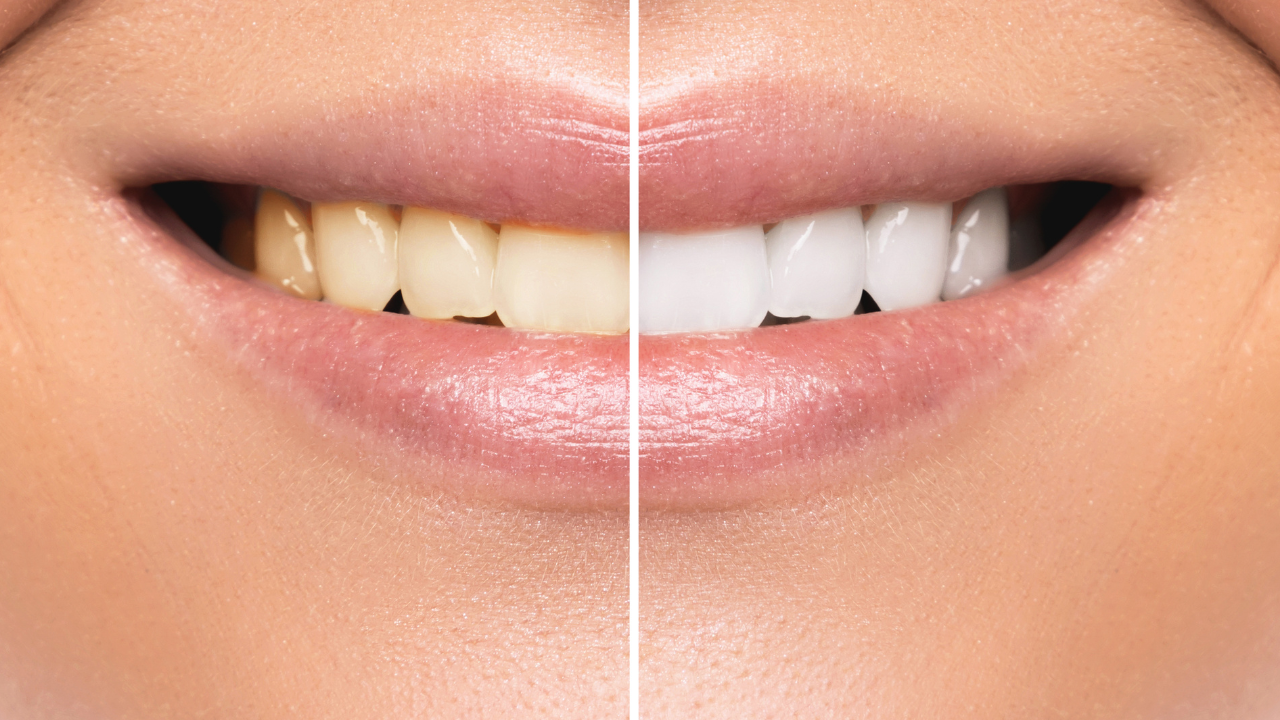
Most people walk into a cosmetic dentistry consultation thinking about whiteness. Brightness. A smile that looks clean in photographs. Those are reasonable starting points, but they're only the surface of what a genuinely skilled cosmetic dentist is actually evaluating. When advanced training shapes a practitioner's clinical eye, the conversation shifts from "how white?" to something far more nuanced: how does your smile relate to the proportions of your face, the curve of your lips, the way your teeth interact when you speak or chew? That's the difference between cosmetic dentistry and cosmetic artistry.
The importance of your dentist doing continuing education becomes especially visible here, because aesthetic outcomes are extraordinarily sensitive to clinical gaps. A dentist who hasn't pursued post-graduate training in smile design may deliver results that look acceptable in isolation but feel slightly off in ways the patient can't quite articulate. The teeth are white, but the smile doesn't feel like theirs. Advanced training teaches practitioners to see the full picture: facial harmony, midline alignment, gingival contour, and how light moves across a restoration. These aren't abstract concepts. They're the variables that determine whether your new smile looks crafted or constructed.
Mastering Full-Mouth Rehabilitation and Complex Mechanics
Full-mouth rehabilitation is, at its core, a blend of structural engineering and aesthetic design. When multiple teeth require restoration simultaneously, every clinical decision creates a ripple effect through the entire bite system. Occlusion, the precise way your upper and lower teeth meet, governs the forces distributed across every restoration you receive. A dentist without deep post-graduate grounding in bite mechanics may place beautiful work that begins failing within years, not because the materials were inferior, but because the underlying system wasn't properly balanced. The continuing education requirements for dentists set by the American Dental Association represent a floor; the practitioners who pursue advanced occlusal training are building well above it. That investment prevents the domino effect: one failing crown destabilizing the adjacent teeth, triggering a cascade of repairs that could have been avoided entirely with a systems-level approach from the start.
The Intersection of Artistry and Clinical Mastery in Veneers
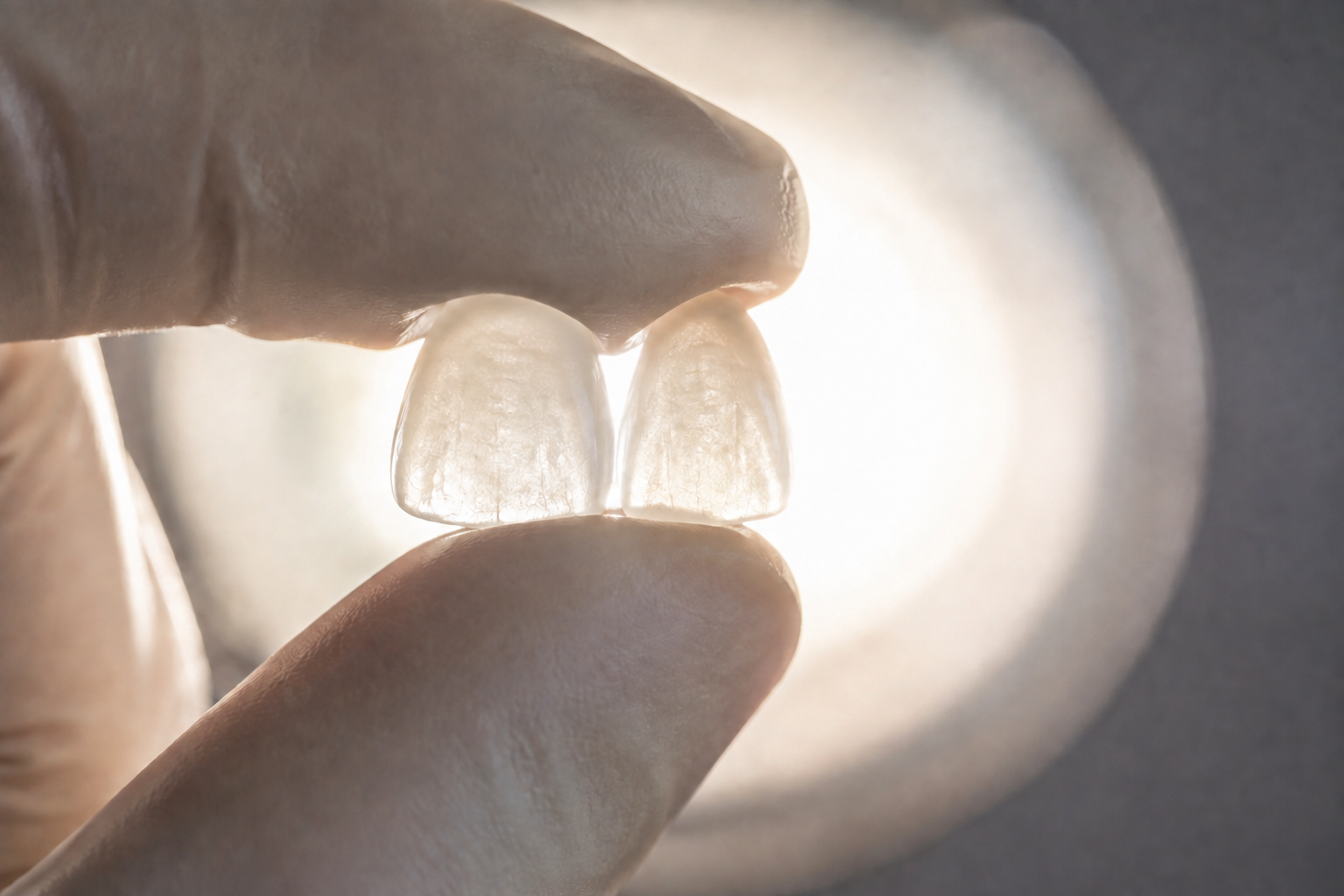
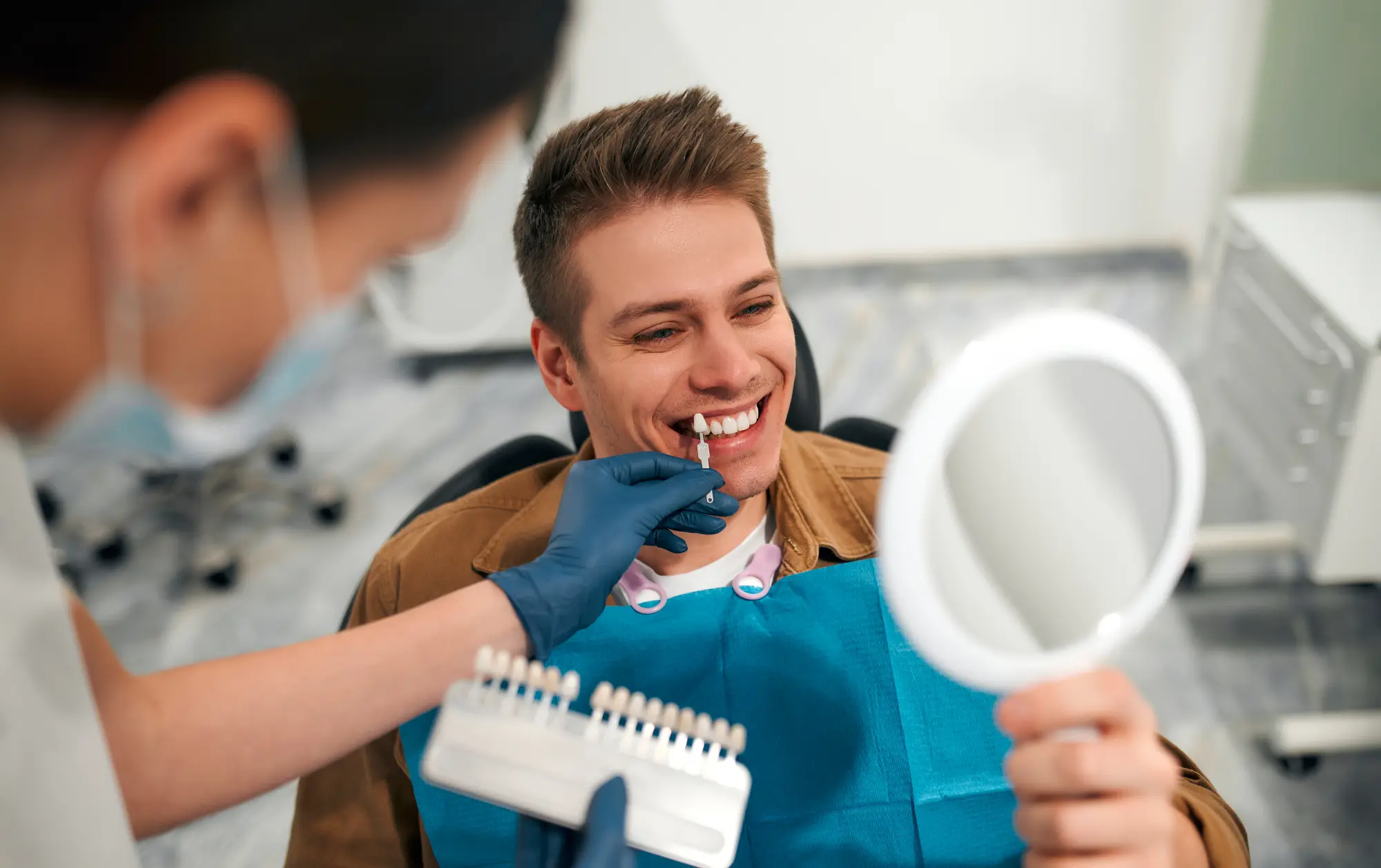
Cookie-cutter veneers are easy to spot, even if patients can't name exactly why. They tend to look opaque, uniformly shaped, and slightly too perfect in a way that reads as artificial. Life-like veneers require something different: a dentist trained in layered ceramic characterization, advanced bonding protocols, and the optical properties of modern porcelain materials that genuinely mimic the way natural enamel transmits and reflects light. That translucency is what makes a restoration look like a tooth rather than a cap. It's achieved through material selection informed by ongoing CE, and through bonding techniques refined well beyond the foundational curriculum of dental school.
There's a common concern worth addressing directly: that a CE-focused dentist will charge more. The more accurate framing is that advanced training produces more predictable results. Predictability means fewer revisions, fewer emergency repairs, and restorations that hold their integrity over time. The real cost of choosing a practitioner who hasn't invested in their craft tends to reveal itself later, in the chair, when something that should have lasted a decade needs replacing in three. If you're considering veneers, bonding, or a more comprehensive restoration, exploring what cosmetic dentistry at Hudson Dental Co. looks like in practice is a natural next step.
Beyond the Chair: How Continuing Education Enhances Patient Safety and Comfort
Clinical mastery is often discussed in terms of what the dentist does, but for the patient, the real value lies in how the treatment feels. When you understand the importance of your dentist doing continuing education, you begin to see that their time away from the office is actually an investment in your time in the chair. Expertise breeds efficiency. A practitioner who has mastered the latest clinical protocols can often complete complex procedures with greater speed and less trauma to the surrounding tissue. For you, this means less time spent under clinical lights and a significantly smoother recovery process once you return home.
Safety remains the silent foundation of every appointment. Beyond the visible technology, advanced training ensures your dentist is current on the latest developments in pharmacology, local anesthesia, and emergency medical protocols. This high-level vigilance is a core component of the Hudson Dental Co. experience. We view clinical excellence as the ultimate form of respect for our patients. By staying at the forefront of medical science, we create a sanctuary of safety where you can truly relax, knowing every detail of your systemic health is being considered with visionary precision.
Minimally Invasive Dentistry: Preserving Your Natural Foundation
The most sophisticated dental work is often the work you can't see. Modern continuing education has shifted the focus toward biomimetic and minimally invasive dentistry. This approach prioritizes the preservation of your natural tooth structure whenever possible. Instead of aggressive drilling, highly trained dentists use advanced adhesive materials and smaller, more precise preparations. These conservative techniques don't just look better; they maintain the structural integrity of your teeth for decades. Choosing a dentist dedicated to these modern methods is a choice to protect your biological "wealth" rather than replacing it with synthetic alternatives prematurely.
Reducing Dental Anxiety Through Advanced Diagnostic Technology
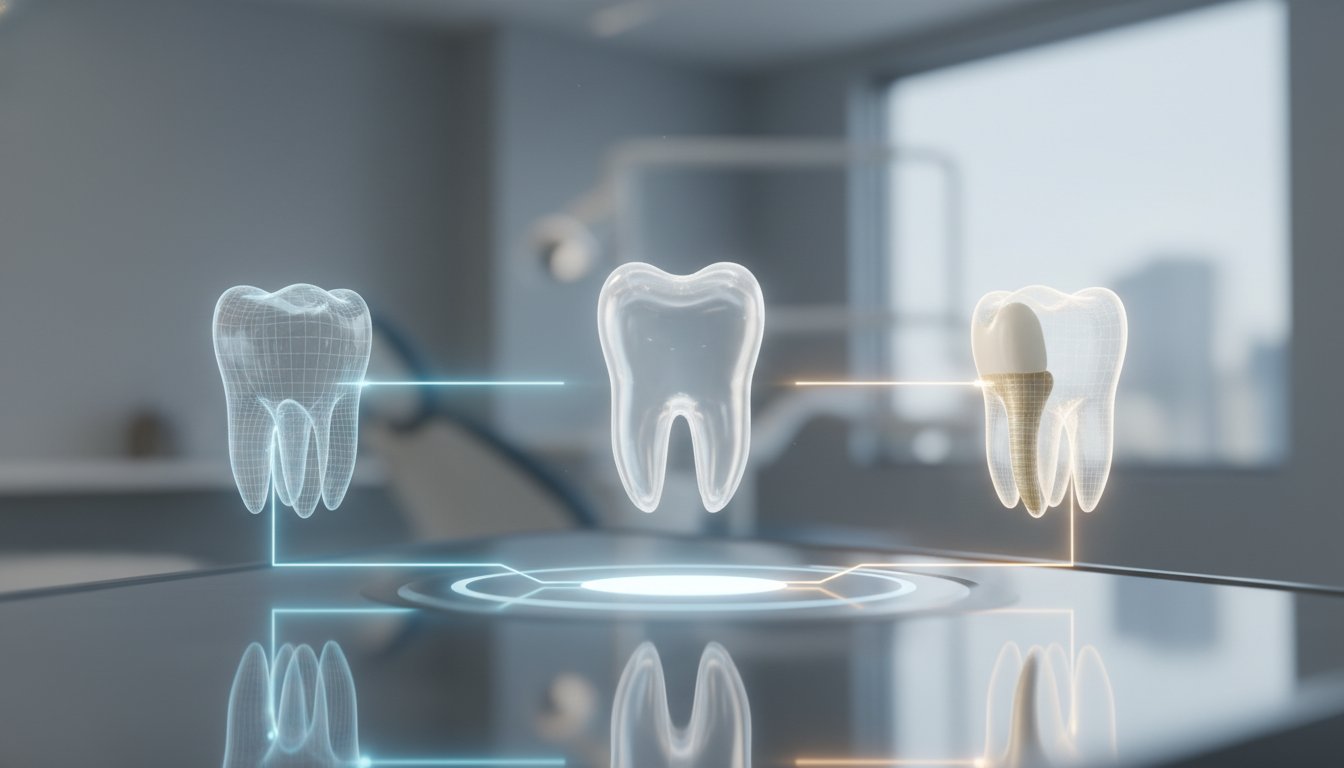
Anxiety often stems from the unknown or the fear of a painful surprise. We use advanced diagnostic tools like AI-assisted X-ray analysis and diagnostics to remove the guesswork from your care. These technologies allow us to identify potential issues at their earliest, most manageable stages, often before they are even visible to the naked eye. There is a profound psychological comfort in knowing your care is powered by the best of the best. When a dentist operates with the quiet confidence that comes from elite-level training, that sense of calm is contagious. It transforms a routine dental visit into a refined wellness experience, where your comfort is just as important as your clinical outcome.
A Patient’s Guide: How to Spot a Dentist Dedicated to Lifelong Learning
Finding a practitioner who prioritizes growth over simple maintenance requires looking beyond a polished website or a convenient location. In New York, the baseline requirement for license renewal is often just a fraction of what a truly dedicated clinician pursues. Grasping the importance of your dentist doing continuing education allows you to distinguish between a provider who is merely keeping their license active and one who is actively pursuing excellence. Mastery isn't a destination; it's a discipline. You want a dentist who views their practice as a craft to be refined rather than a business to be managed.
When researching dentists in Westchester, especially in communities like Pleasantville or Chappaqua, look for specific markers of advanced study. You might see acronyms like FAGD (Fellow of the Academy of General Dentistry) or MAGD (Master). These aren't just decorative titles. A Fellow has completed over 500 hours of verified CE and passed a rigorous clinical exam. A Master has completed 1,100 hours, including hundreds of hours of hands-on "participation" courses. These clinicians have voluntarily chosen to meet standards that far exceed state mandates, all to ensure your clinical outcomes are as predictable as possible.
Understanding Prestigious CE Institutions
Institutions like the Kois Center, Spear Education, and the Dawson Academy represent the Ivy League of the dental world. These programs don't just teach isolated techniques. They teach a comprehensive, systems-based approach to oral health that considers the jaw, muscles, and teeth as a single unit. When a dentist travels across the country to attend these centers, it reveals a specific character trait: a refusal to settle for "good enough." It shows they are invested in a visionary level of care that anticipates problems before they become emergencies.
Questions to Ask Your Dentist About Their Recent Training
You have every right to be curious about your provider's dedication to their craft. During a consultation, a few simple questions can tell you everything you need to know about their clinical philosophy:
- What is a new technique or technology you've implemented in the last year?
- Which clinical institution has had the biggest impact on how you practice?
- How has your approach to complex cases changed since you graduated?
A passionate dentist will light up when answering these. Their enthusiasm for recent breakthroughs is the best indicator that your smile is in visionary hands. If you are ready to experience the difference that elite-level training makes, schedule a consultation at Hudson Dental Co. to see how our commitment to mastery transforms your care.
The Hudson Dental Co. Standard: Why We View Mastery as a Form of Hospitality
There's a distinction worth drawing between a dentist who is technically competent and one who is genuinely devoted to your experience. Competence meets a standard. Devotion exceeds it. At Hudson Dental Co., Dr. Rahul Kallianpur operates from a foundational belief that clinical excellence isn't separate from patient care; it is patient care. The way you feel in the chair, the confidence you carry when you leave, the durability of the work you receive years later: all of it flows directly from a practitioner who refuses to let their learning plateau.
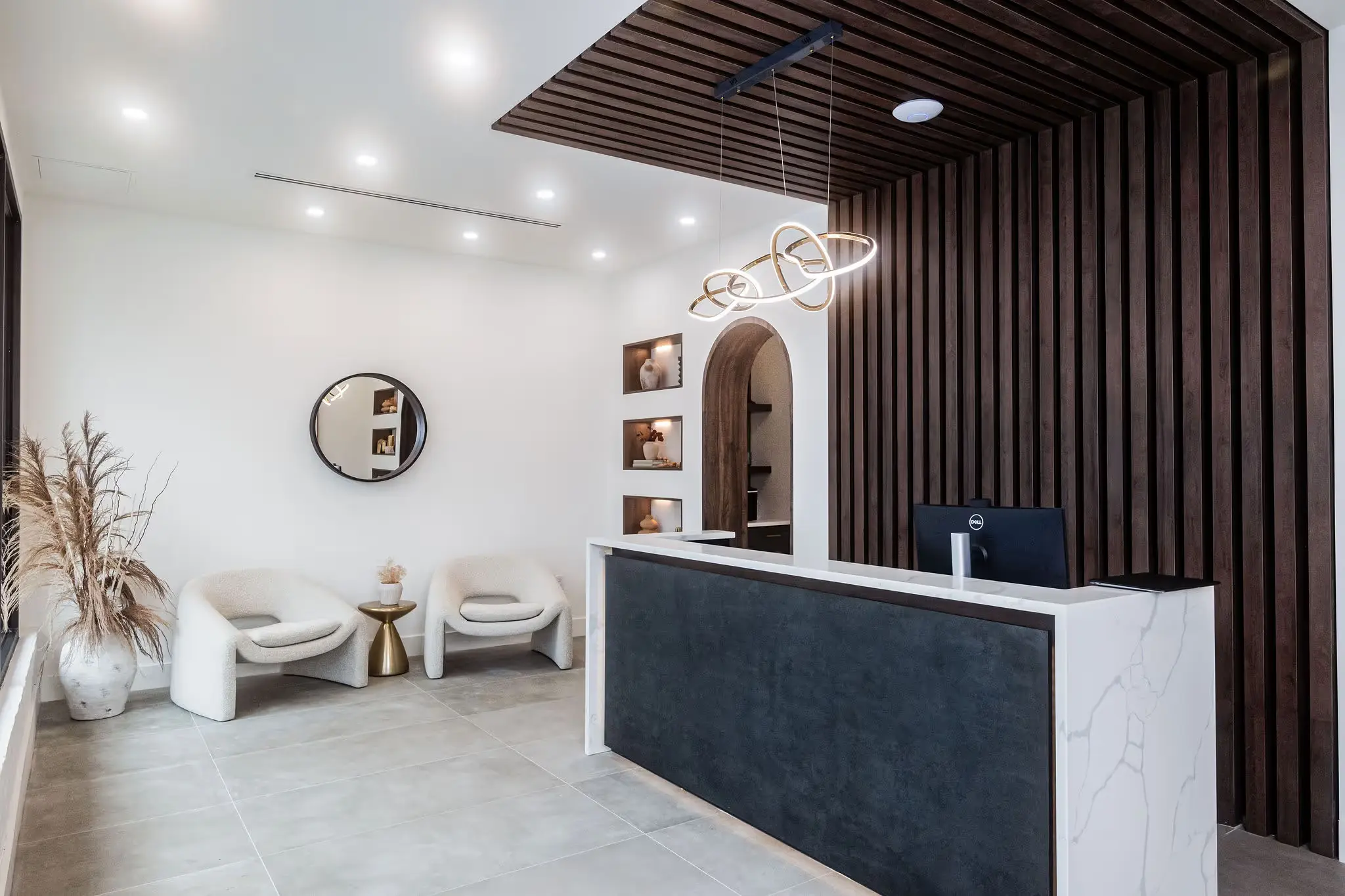
This is the philosophy behind everything we do in Pleasantville. The environment you walk into was designed with intention, not assembled by default. The calm, modern atmosphere isn't decorative. It reflects a deliberate decision to treat every patient as a guest deserving of a thoughtful, unhurried experience. Hospitality and clinical mastery aren't competing priorities here. They reinforce each other.
Dr. Rahul Kallianpur's Vision for Continuous Clinical Improvement
Dr. Kallianpur's commitment to staying at the visionary expert level of dentistry is the quiet engine behind every treatment offered at Hudson Dental Co. For patients across Pleasantville, Chappaqua, and the surrounding Westchester communities, this dedication has a direct and tangible benefit: the care you receive reflects where dentistry actually is today, not where it was when a practitioner last opened a textbook. Complex cases, particularly those involving full-mouth rehabilitation, demand exactly this kind of current, systems-level mastery. Advanced occlusal knowledge, refined material science, and precision technique don't emerge from a diploma; they're built through hundreds of hours of post-graduate study and deliberate practice.
How Our Commitment to Learning Transforms Your Patient Experience
The artistry you see in a beautifully crafted veneer or a seamlessly integrated restoration isn't accidental. It's the visible result of work done long before you sat in the chair: advanced laboratory courses, hands-on technique training, and a clinical philosophy shaped by ongoing study. Understanding the importance of your dentist doing continuing education reframes what you're actually receiving when you choose a practice like ours. You're not just getting a procedure. You're receiving the accumulated investment of a clinician who takes your outcome personally.
That investment also creates something less tangible but equally real: peace of mind. A non-judgmental, highly trained team changes the texture of every appointment. Anxiety softens when competence is evident. Trust builds when results are predictable. You aren't simply a patient here; you're a guest receiving care that was earned, refined, and delivered with genuine respect for your time, your comfort, and your smile.
Experience the difference that elite-level training makes in every detail of your care. Schedule your consultation to experience modern dentistry at Hudson Dental Co.
Your Smile Deserves a Dentist Who Never Stops Learning
The importance of your dentist doing continuing education isn't an abstract credential concern. It's the practical difference between care that's merely acceptable and care that's genuinely transformative. A diploma opens the door to practice. Advanced, ongoing training is what determines the quality of everything that happens inside it.
What you've read here comes down to three things worth carrying with you. First, dental science moves quickly, and your outcomes depend on a practitioner who moves with it. Second, precision in cosmetic and restorative work isn't accidental; it's earned through deliberate post-graduate study. Third, you have every right to ask questions and choose accordingly.
At Hudson Dental Co., Dr. Rahul Kallianpur brings a visionary commitment to clinical mastery into a boutique, hospitality-focused suite in Pleasantville, where full-mouth rehabilitation and cosmetic artistry are delivered with genuine care for your comfort and confidence.
You don't have to settle for good enough. Experience the difference that mastery makes and book your visit at Hudson Dental Co. today.
Frequently Asked Questions
Is continuing education required for all dentists in New York?
Yes, New York State requires licensed dentists to complete continuing education hours as a condition of license renewal, but the mandated minimum is a relatively modest threshold. The importance of your dentist doing continuing education goes well beyond what the state requires. A practitioner who pursues only the bare minimum is maintaining their license; one who voluntarily exceeds it is actively investing in your outcomes.
How can I tell if my dentist is using the most modern techniques?
Ask directly. A clinician committed to ongoing learning will readily describe recent changes to their clinical approach, whether that's adopting digital impressions, refining their bonding protocols, or completing advanced coursework in minimally invasive care. If the answer is vague or references training from many years ago without anything more recent, that's meaningful information.
Does a dentist with more training charge higher prices for routine cleanings?
Routine preventive care, like cleanings and exams, is generally priced within a similar range across practices regardless of the dentist's advanced credentials. Where advanced training tends to show its value most is in complex restorative and cosmetic work, where precision directly affects how long your results last. A highly trained dentist may help you avoid costly repairs down the road, making the overall investment more predictable over time.
What are the most prestigious dental training institutes I should look for?
Institutions like the Kois Center, Spear Education, and the Dawson Academy are widely regarded as among the most rigorous post-graduate programs in dentistry. They teach a comprehensive, systems-based clinical philosophy rather than isolated techniques. Completion of coursework at these centers signals that a dentist has voluntarily committed to a depth of study that goes well beyond what any state licensing board requires.
Can advanced training help with dental anxiety?
It genuinely can. A dentist with advanced diagnostic training can often identify and address issues at earlier, more manageable stages, which reduces the likelihood of unexpected findings mid-appointment. Beyond that, clinical confidence is something patients feel. When a practitioner works with quiet precision and efficiency, it creates a calming environment that's difficult to manufacture artificially. The comfort you experience in the chair is often a direct reflection of the training that shaped the hands working in it.
What is the difference between a general dentist and one who does full-mouth rehabilitation?
Full-mouth rehabilitation involves restoring or replacing multiple teeth simultaneously while carefully managing how the entire bite functions as a system. Not every general dentist has the post-graduate training to handle this level of complexity safely. It requires deep knowledge of occlusion, the precise way upper and lower teeth meet, as well as advanced material science and treatment sequencing. A dentist offering this service should have verifiable advanced training in bite mechanics and comprehensive restorative care.
How often should a dentist attend continuing education courses?
State requirements set a renewal-cycle minimum, but the most dedicated clinicians treat CE as an ongoing professional habit rather than a periodic obligation. Many attend multiple courses, workshops, or hands-on seminars each year. The frequency matters less than the substance: a dentist completing intensive, clinically rigorous programs annually is developing meaningfully, while one satisfying a minimum with low-effort online modules is simply maintaining compliance.
Why does technology like digital scanners matter for my dental work?
Digital scanning captures the precise geometry of your teeth and bite without the discomfort of traditional impressions, and it produces data that's significantly more accurate. That accuracy flows directly into the fit and longevity of any restoration you receive, whether it's a crown, veneer, or aligner. A dentist who invests in this technology and the training to use it well is making a deliberate choice to prioritize your comfort and the precision of your results simultaneously.
%20(6).png)
%20(5).png)
%20(4).png)
%20(3).png)
%20(2).png)
)%20(1).png)





.jpg)