
%20(4).png)
Why Do My Teeth Keep Chipping? Understanding the Mechanics of a Failing Bite
What if the recurring cracks in your smile have nothing to do with what you eat and everything to do with how your teeth meet? It's incredibly disheartening to look in the mirror and wonder, "why do my teeth keep chipping?," especially when you've invested significant time and care into your oral health. You might feel like you're stuck in a cycle of patchwork dentistry, where every repair is just a temporary fix for a much deeper, structural issue.
We understand that this cycle creates a sense of dental fatigue and anxiety about the long-term appearance of your smile. You deserve a solution that feels like true wellness rather than a recurring chore. This article explores the systemic reasons behind these fractures, moving beyond surface-level fixes to examine the mechanics of a failing bite. You'll discover how a visionary approach to restorative care, incorporating modern artistry and bio-smart materials, can finally provide the permanent protection and confidence you've been seeking.
Key Takeaways
- Recognize that chronic dental fractures are often a "check engine light" for structural fatigue rather than simple bad luck or hard food accidents.
- Identify the role of "chemical softening" from dietary acids and silent reflux in silently weakening your enamel’s natural defenses.
- Understand the "teeter-totter" effect of a misaligned bite, which explains why your teeth keep chipping even during soft meals.
- Transition from reactive, patchwork repairs to proactive Full-Mouth Rehabilitation for a smile that balances clinical precision with artistic beauty.
Table of Contents
- Beyond the Accident: Why "Bad Luck" Isn’t Why Your Teeth Keep Chipping
- Debunking the "Hard Food" Myth: The Hidden Culprits of Enamel Erosion
- The Mechanics of a Failing Bite: When Your Teeth are at War
- From Emergency Fixes to Long-Term Resilience: Your Path to a Stronger Smile
- The Hudson Dental Approach: Restoring Artistry and Structural Integrity
Beyond the Accident: Why "Bad Luck" Isn’t Why Your Teeth Keep Chipping
Have you ever felt that sudden, sharp edge on your tongue while eating something as harmless as a piece of sourdough? It’s a moment defined by immediate frustration and a sinking feeling in your chest. You might find yourself asking, "why do my teeth keep chipping?" when you aren't even eating anything hard? It feels like bad luck, but in reality, these spontaneous breaks are rarely accidental. They are the final result of a long, silent process of mechanical stress that has finally reached its breaking point.
When a tooth chips during a soft meal, it's a sign that the tooth was already compromised. We see many patients who feel they have "weak" teeth, but the reality is usually more complex. Most recurring chips are not about the strength of your enamel. They are about the way your teeth interact. Simply patching a chip without finding the cause leads to a cycle of repairs that never quite lasts. True restorative care requires looking beyond the surface to understand the systemic failure at play.
The "Check Engine Light" of Oral Health
Think of a recurring chip as the "check engine light" for your smile. It is a clear signal that your mouth’s internal ecosystem is struggling to find balance. When teeth break during routine activities, it often leads to a deep sense of dental fatigue. You might worry that your teeth are becoming brittle due to age or genetics, but these factors are rarely the primary culprit. Instead, the chip is a symptom of underlying structural fatigue. Your teeth are designed to withstand incredible force. However, they can only endure so much when that force is applied incorrectly or unevenly over time. It's a message from your body that something in your bite mechanics needs professional attention.
The Difference Between a Break and a Failure
It’s helpful to distinguish between an acute injury and a systemic failure. An accident involves a sudden, external force that causes an enamel fracture. This is a one-time event. However, most chipping we see is a result of fatigue failure. Enamel is the hardest substance in the human body, but even the strongest materials can develop micro-fractures after years of improper pressure. These tiny cracks are often invisible to the naked eye. They slowly spiderweb through the tooth structure until a simple bite of food causes a visible piece to fall away.
This is why routine check-ups focus on detecting these patterns early. By analyzing how your teeth interact, we can move beyond reactive dentistry. If the reason why your teeth keep chipping isn't addressed, any new bonding or filling will likely fail just like the natural tooth did. Our goal is to create a plan that restores both the artistry and the structural integrity of your smile, ensuring your results are as durable as they are beautiful.
Debunking the "Hard Food" Myth: The Hidden Culprits of Enamel Erosion
It's a common misconception that chipped teeth are simply the result of a stray popcorn kernel or an unfortunate encounter with an ice cube. While those moments are certainly catalysts, they're often the final straw for a tooth that's been weakened by invisible forces. If you find yourself wondering “why do my teeth keep chipping?” despite avoiding hard candies, the answer likely lies in a combination of chemical erosion and mechanical stress. This synergy creates what we call the "Sandpaper Effect," where softened enamel is worn away far more rapidly by the natural movements of your mouth.
The Silent Impact of Bruxism and Clenching
Many patients are surprised to learn that the most significant damage to their smile occurs while they sleep. Bruxism (teeth grinding) and clenching can exert hundreds of pounds of pressure on your teeth. This force far exceeds what we use during normal chewing. This nocturnal activity is often a response to stress or even underlying airway issues. At Hudson Dental Co., we look for "wear facets," which are small, flattened areas on the biting surfaces. Identifying these early allows us to intervene before they progress into visible chips. Our focus on comprehensive restorative care ensures we address these silent forces before they compromise your long-term dental health.
Acid Erosion: The Enamel Softener
Enamel is incredibly resilient, yet it's highly susceptible to "chemical softening." Modern wellness routines, such as starting the day with lemon water or sipping on kombucha, introduce high levels of acid. These acids temporarily soften the tooth surface. Similarly, silent reflux or GERD can bring stomach acids into the mouth, particularly affecting the back surfaces of your teeth. If you brush your teeth immediately after consuming something acidic, you might actually be scrubbing away that softened enamel. This thinning makes the teeth brittle. It explains why your teeth keep chipping during seemingly normal, soft meals. By understanding these hidden culprits, we can help you adjust your habits and protect the artistry of your smile from the inside out.
The Mechanics of a Failing Bite: When Your Teeth are at War
Many people view their teeth as individual units, but your mouth is actually a complex mechanical system. When functioning perfectly, your teeth should fit together like the precision gears of a high-end watch. If those gears are even slightly out of alignment, the entire system begins to grind against itself. This internal conflict is a primary reason why your teeth keep chipping, as the forces intended for chewing are redirected into destructive patterns. When your bite is off, your teeth are effectively at war with one another.
One of the most common phenomena we observe is the "Teeter-Totter" Effect. When a single tooth is misaligned, it often acts as a pivot point. As you bite down, your jaw naturally tries to find a stable position, causing other teeth to collide with excessive, unintended force. This isn't just about discomfort; it is about the laws of physics. Even a single "high point" on an old restoration can trigger a domino effect of chips across your entire arch. Over time, this constant trauma weakens the enamel until it simply gives way during a routine meal.
Understanding Occlusal Trauma
Occlusal trauma occurs when the pressure of your bite exceeds what the tooth and its supporting structures can handle. It's not just about how hard you bite, but the angle of the impact. Malocclusion is a mechanical imbalance that mimics accelerated aging. When teeth hit at an incorrect angle, they experience shear forces that enamel wasn't designed to resist. This stress often concentrates at the edges of the teeth, leading to those frustrating, recurring fractures that seem to happen for no reason.
The Structural Integrity of the Full Mouth
The secret to a lasting smile often lies in your back teeth. Your molars provide "Posterior Support," acting as the foundation that protects your more delicate front teeth. If you have missing back teeth or misaligned molars, your front teeth are forced to take on the heavy lifting of chewing. Because front enamel is much thinner, this "overloading" leads to the very chips that cause so much frustration. If you are constantly asking yourself “why do my teeth keep chipping?”, the answer often lies in this lack of posterior support.
Sometimes, the culprit is actually "failing dentistry" from years past. Large silver fillings can act like a wedge, slowly pushing the walls of a tooth apart every time you bite. Over decades, this internal pressure creates fractures that eventually result in a significant break. By addressing these structural weaknesses through Full-Mouth Rehabilitation, we can stop the war within your mouth and create a harmonious, durable smile that stands the test of time.
Delet
From Emergency Fixes to Long-Term Resilience: Your Path to a Stronger Smile
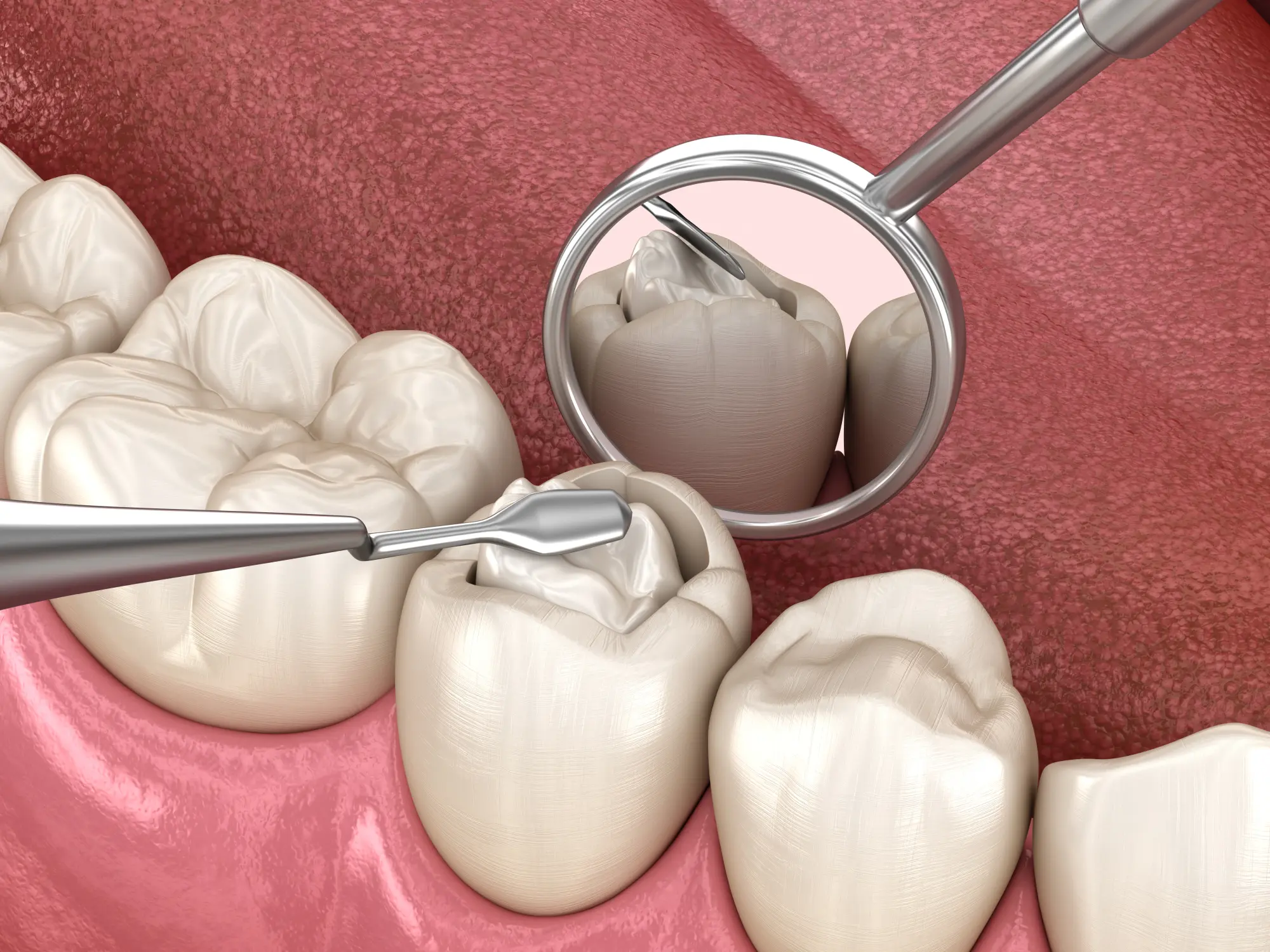
It is a common, frustrating cycle. You notice a small fracture, visit a dentist for a quick patch, and a few months later, that repair simply "pops off." This happens because dental bonding, while useful for minor aesthetic touch-ups, often lacks the structural strength to withstand the same mechanical forces that broke your natural tooth in the first place. If you are tired of asking “why do my teeth keep chipping?”, it's time to move beyond reactive, "one tooth at a time" dentistry. True resilience comes from a proactive approach that treats the mouth as a single, unified system.
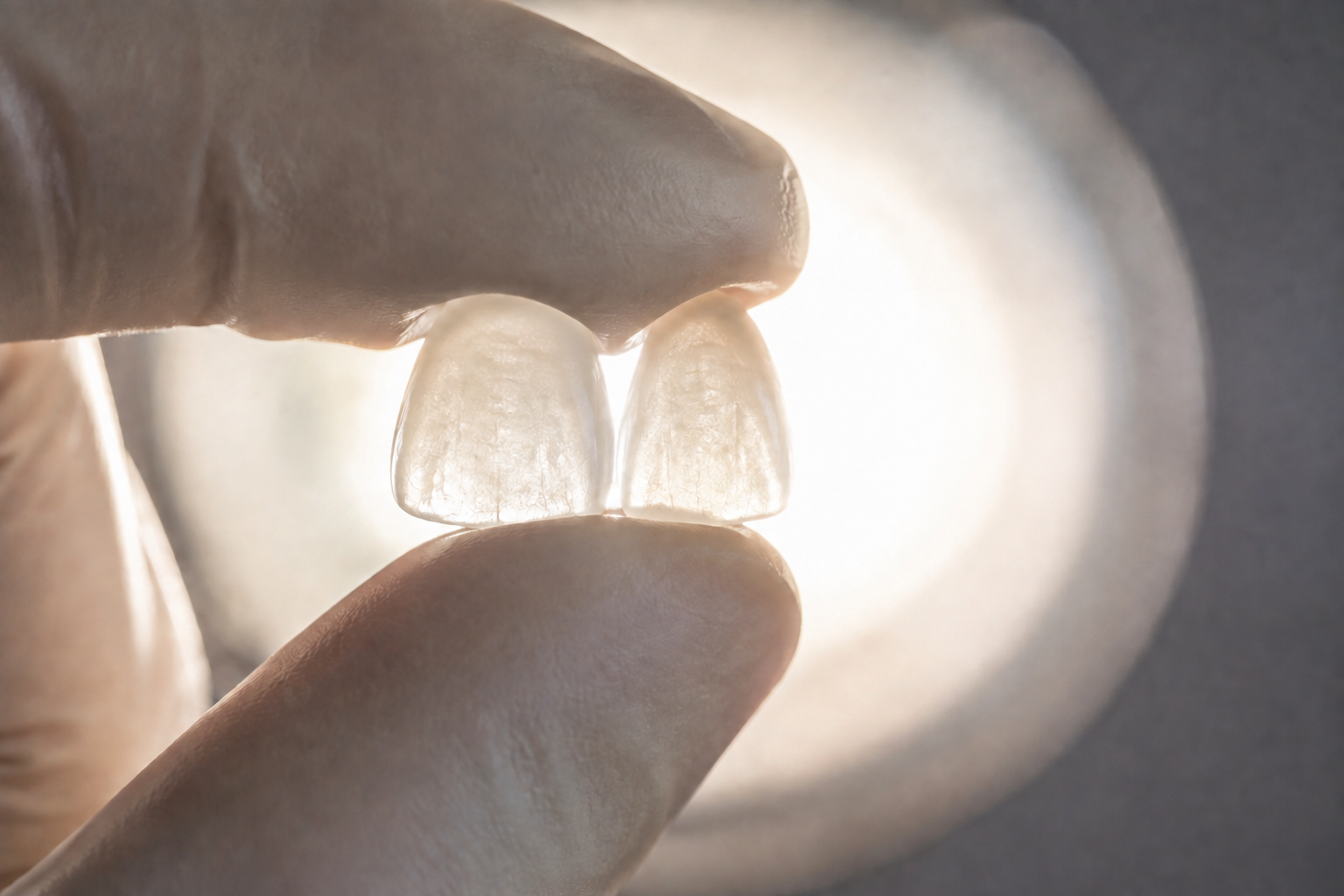
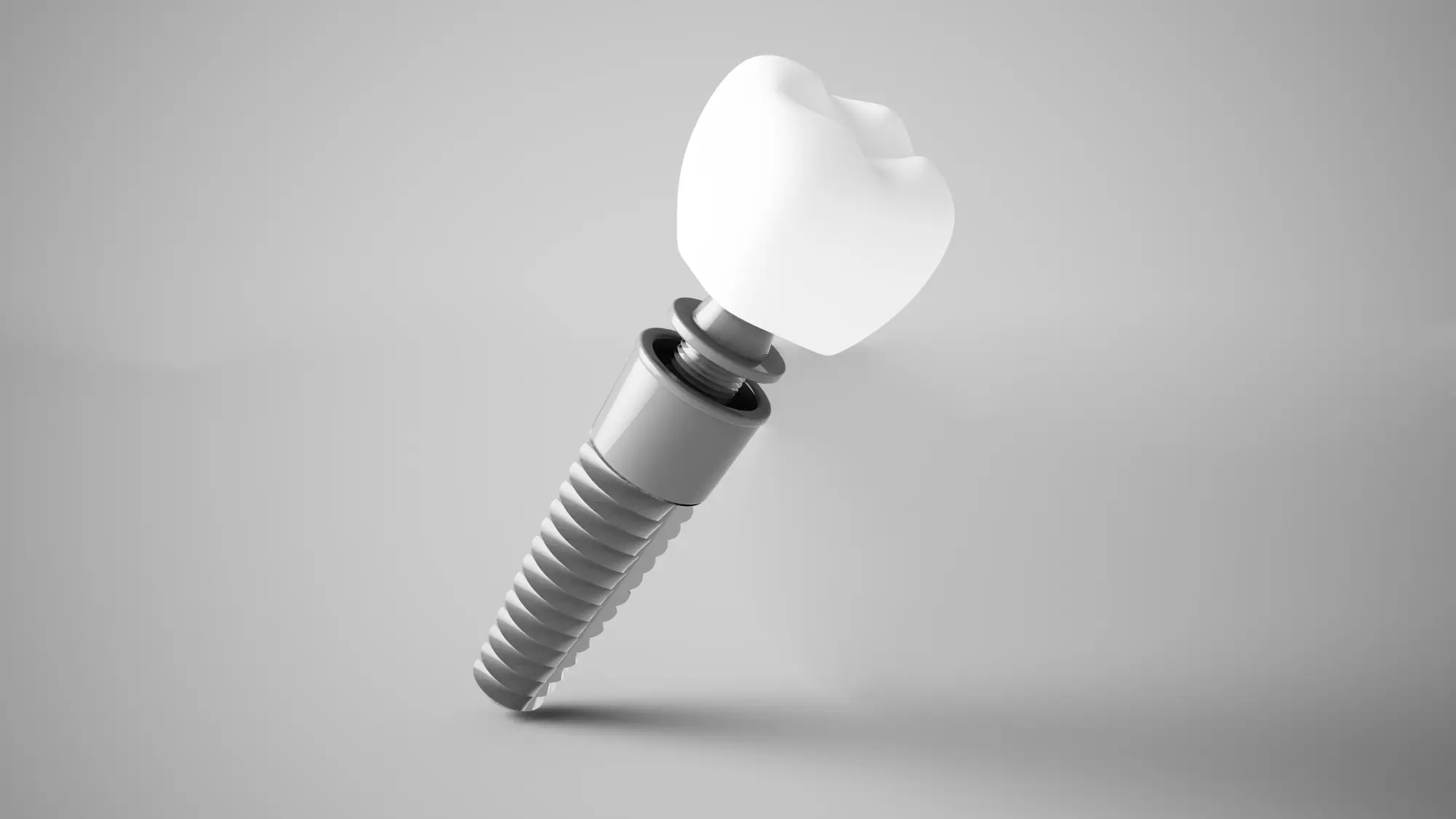
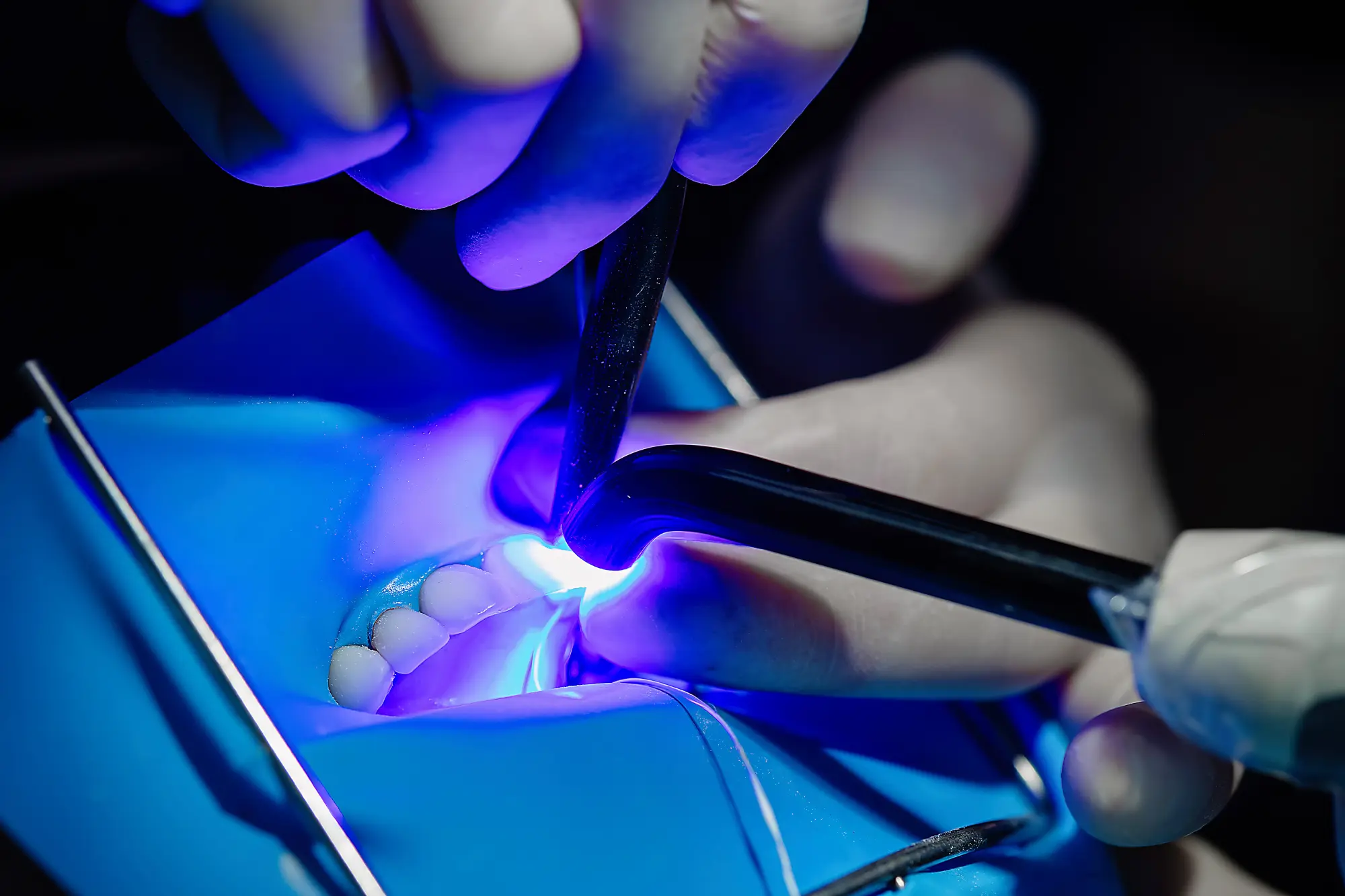
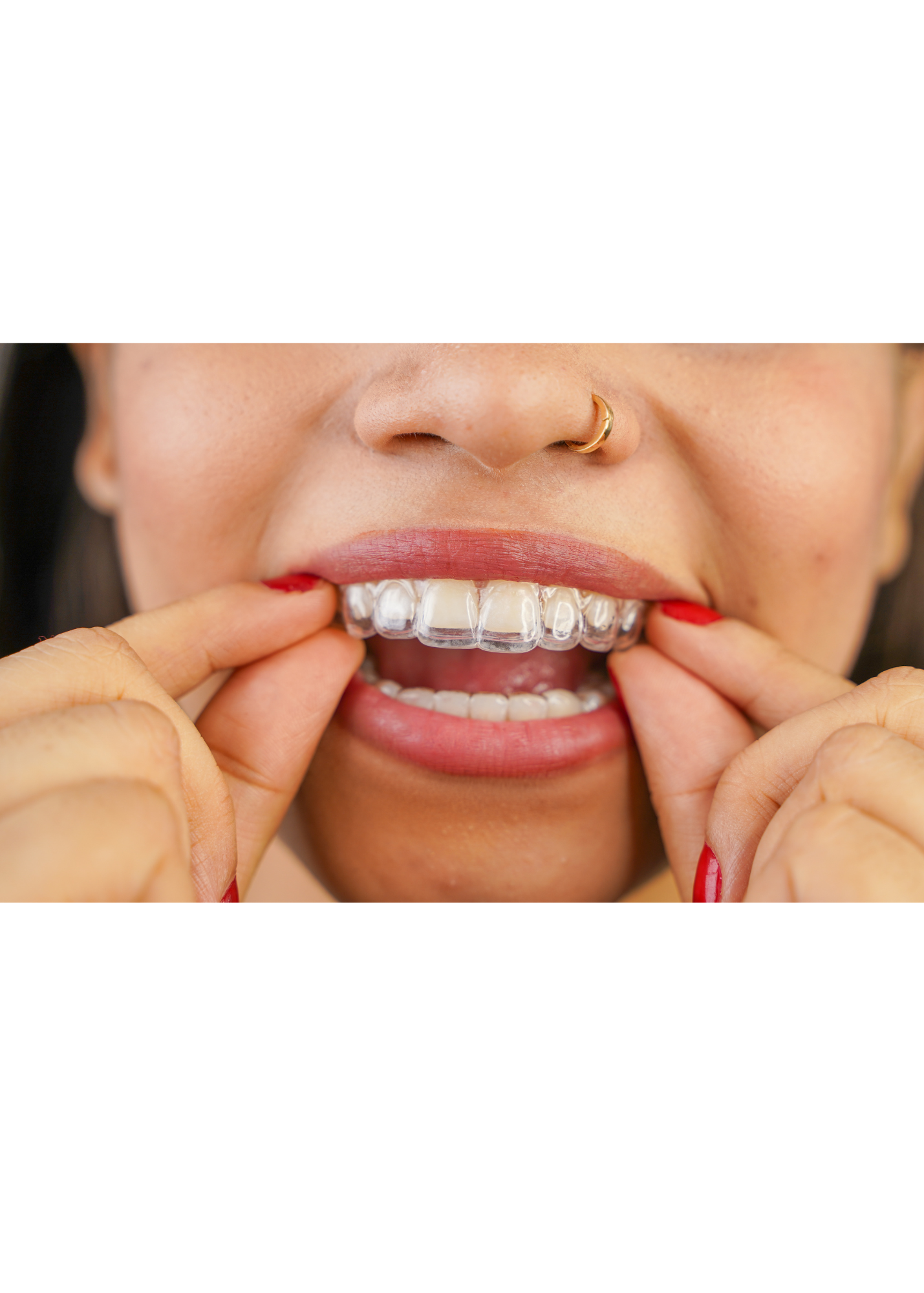
Choosing between Dental Bonding vs Veneers is a critical step in this journey. While bonding uses a composite resin, veneers and dental crowns are crafted from high-grade porcelain that mimics the strength and light-reflecting properties of healthy enamel. Once we have balanced your bite, these restorations act as a permanent shield. To protect this investment, we often recommend a custom-fitted night guard. Think of it as an insurance policy for your smile, buffering the intense nocturnal forces that lead to structural fatigue.
Restoring Form and Function
Superior restorative care is a blend of clinical precision and artistic vision. Porcelain restorations provide far greater durability than resin, especially when used to rebuild the edges of teeth under high stress. We prioritize minimally invasive techniques, ensuring we preserve as much of your natural tooth structure as possible while achieving a seamless, translucent finish. The goal is a smile that doesn't just look restored; it feels completely natural and functions with effortless strength.
The Importance of a Comprehensive Evaluation
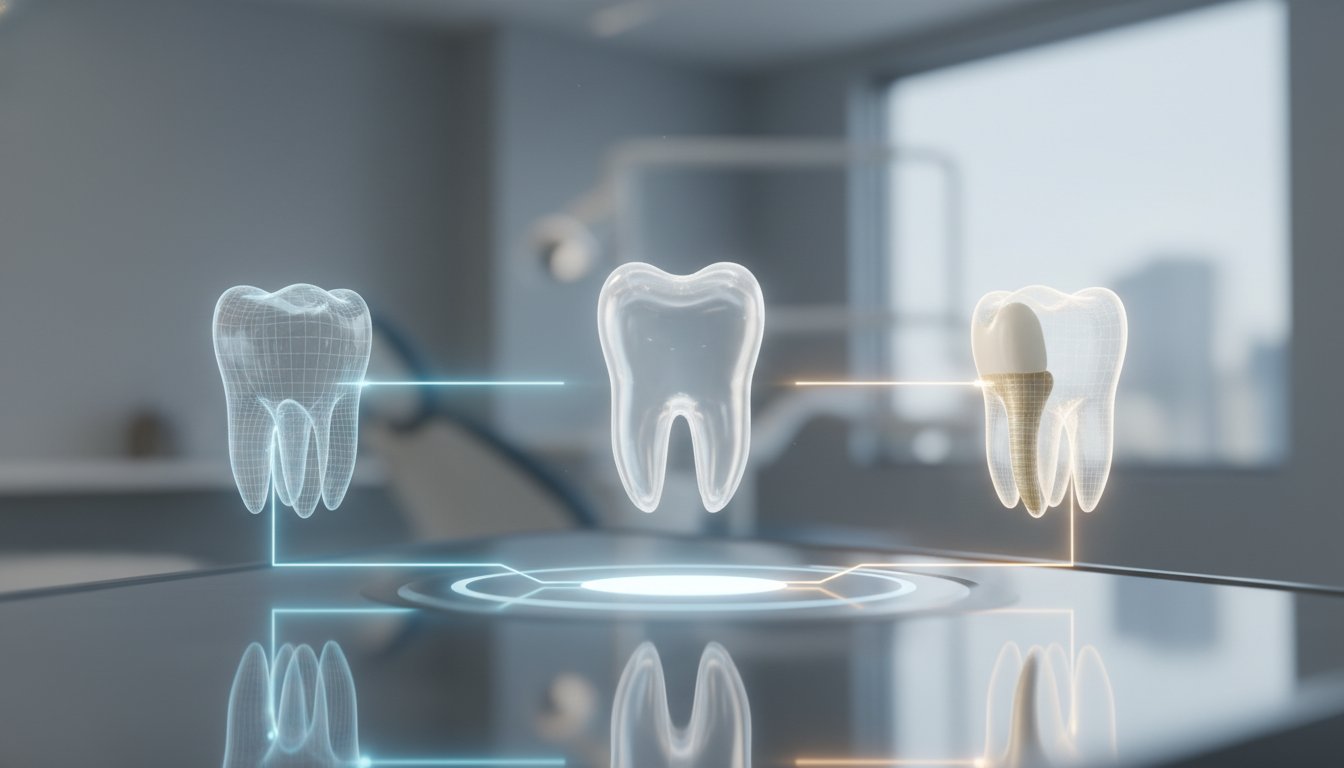
Our process begins by stepping back to view the entire dental landscape. We use advanced digital scanning and bite analysis to identify "collision zones" where your teeth are hitting too hard or at incorrect angles. This data allows us to create a personalized roadmap, moving you from a state of dental anxiety to one of lasting wellness. We invite you to experience our concierge approach to restorative care, where your comfort and long-term results are our primary focus.
The Hudson Dental Approach: Restoring Artistry and Structural Integrity
If you have spent years wondering why your teeth keep chipping, you aren't just looking for another temporary repair. You are looking for a permanent transformation. At Hudson Dental Co., we believe that excellence in dentistry shouldn't feel clinical or cold. Dr. Rahul Kallianpur leads our practice with a unique philosophy that combines rigorous clinical precision with a hospitality-focused experience. We understand the emotional toll of a failing smile, and our goal is to provide a sanctuary where your dental health is restored with both artistry and long-term structural integrity.
For many of our patients traveling from Chappaqua to White Plains, the definitive answer to the question "why do my teeth keep chipping" is found through Full-Mouth Rehabilitation. This isn't just a series of procedures; it is a comprehensive redesign of your bite. By addressing the root cause of mechanical failure, we stop the cycle of chips and fractures. This systemic approach ensures that every veneer, crown, or implant is placed within a harmonious, balanced environment, allowing your smile to function beautifully for decades.
Visionary Care in Pleasantville
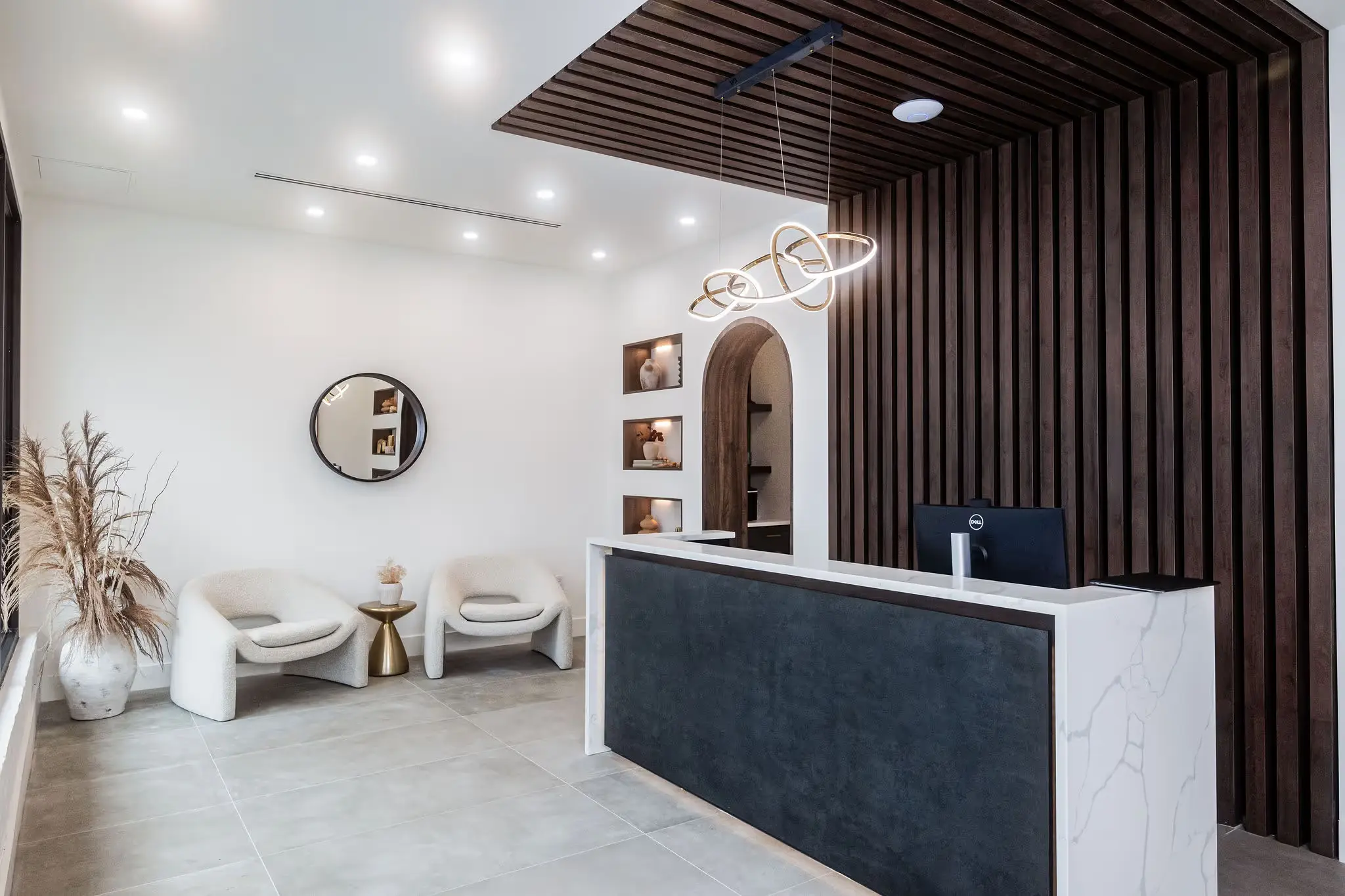
Step inside our modern office in Pleasantville and you'll immediately notice the "Hudson Dental Difference." We've deliberately moved away from the sterile atmosphere of traditional clinics to create a space that feels like a boutique wellness retreat. Every detail is intentional, from our advanced diagnostic technology to the personalized attention you receive at every visit. To ensure that maintaining a resilient smile remains a seamless part of your lifestyle, we offer a VIP Membership Program. This program is designed to make elite, preventive care accessible, providing you with a consistent roadmap to oral health without the complexities of traditional insurance.
Your Journey to a Confident, Chip-Free Smile
Your restorative journey begins with a comprehensive consultation that feels more like a collaborative partnership. We listen to your concerns, validate your frustrations, and use digital imaging to show you exactly what is happening within your bite. If your teeth are "at war" with each other, we use Full-Mouth Rehabilitation to rebuild your dental architecture from the ground up. This process restores the natural height of your teeth, balances the forces of your jaw, and protects your smile with materials that are as strong as they are stunning. You don't have to settle for a smile that feels fragile. Schedule your restorative consultation at Hudson Dental Co. today.
Reclaim Your Smile’s Strength and Artistry
You no longer have to feel frustrated by a smile that feels fragile or unpredictable. We have explored how recurring fractures are rarely about the food you eat or a streak of bad luck. Instead, these chips are the "check engine light" for a bite that has lost its mechanical balance. By shifting your focus from temporary resin patches to a comprehensive understanding of your dental architecture, you can finally stop asking “why do my teeth keep chipping?” and start enjoying a resilient, beautiful smile.
At Hudson Dental Co., Dr. Rahul Kallianpur and our dedicated team specialize in Full-Mouth Rehabilitation and cosmetic artistry. Our modern boutique office in Pleasantville is designed to be a sanctuary where elite clinical precision meets high-end hospitality. We don't just fix teeth; we restore your self-assurance through visionary, patient-centered care that feels like wellness, not a chore. Your journey toward a permanent, aesthetic solution begins with a single, unhurried conversation about your goals.
Experience Visionary Restorative Dentistry—Book Your Visit at Hudson Dental Co.
You deserve a smile that functions as beautifully as it looks. We're here to guide you toward a future of lasting dental health and confidence.
Common Questions About Recurring Dental Chips
Is it normal for teeth to chip as you get older?
Chipping is not a mandatory part of the aging process. While enamel naturally thins over time, recurring breaks usually indicate that your bite mechanics have shifted or become imbalanced. This misalignment places undue stress on specific teeth, leading to the fractures you see. We view these changes as an opportunity to restore your smile’s youthful resilience through precision-based dentistry rather than just accepting them as a side effect of age.
Can a chipped tooth be fixed without a crown?
Yes, many chips can be beautifully restored using dental bonding or porcelain veneers. Bonding is ideal for minor aesthetic touch-ups and can often be completed in a single visit. However, if the chip is more extensive or located in a high-stress area, veneers or crowns provide the structural integrity needed for a long-term result. Our goal is always to use the most minimally invasive approach that still ensures your smile remains durable.
Why does my dental bonding keep falling off?
Bonding typically fails when the mechanical forces that caused the original break haven't been addressed. If you find yourself wondering why your teeth keep chipping or why your repairs don't last, it's likely because your teeth are colliding at incorrect angles. The resin material simply cannot withstand the localized pressure of an imbalanced bite. True success requires adjusting the bite so the restoration can function without constant trauma.
What happens if I leave a small chip in my tooth untreated?
Even a minor chip can compromise the long-term health of your tooth. The missing piece of enamel creates a vulnerable area where bacteria can collect, potentially leading to decay. Additionally, the structural integrity of the tooth is weakened, which often results in a much larger fracture down the line. Treating a chip early allows us to preserve more of your natural tooth and prevent the need for more complex restorative work.
Can stress cause my teeth to chip more frequently?
Stress is a significant factor in dental wear because it often triggers nocturnal clenching or grinding. These habits exert massive amounts of pressure on your enamel, far beyond what occurs during normal chewing. This constant stress creates micro-fractures that eventually turn into visible chips. We focus on addressing both the physical damage and the underlying habits to help you maintain a serene, healthy smile even during demanding times.
How does a misaligned bite cause my front teeth to break?
Front teeth are designed for aesthetics and guidance, not for heavy chewing. When your bite is misaligned or back teeth are missing, your front teeth are forced to take on heavy lifting they weren't built for. Because front enamel is thinner, it quickly succumb to these excessive forces. This mechanical overload is a primary reason why your teeth keep chipping, making a comprehensive bite analysis essential for a permanent solution.
What is the strongest material for repairing a chipped front tooth?
High-quality porcelain is widely considered the strongest and most aesthetic material for front-tooth repairs. Porcelain veneers and crowns mimic the light-reflecting properties of natural enamel while providing superior resistance to wear and staining. Unlike composite resin, porcelain is durable enough to withstand daily biting forces once your bite has been properly balanced. It offers a seamless blend of clinical strength and artistic beauty for a lasting result.
Do I need a night guard if I don’t think I grind my teeth?
Many patients clench their teeth silently during sleep without ever realizing it. A custom night guard acts as a protective buffer, absorbing the intense pressure that would otherwise cause your enamel to fracture. Think of it as an insurance policy for your restorative work and your natural teeth. Even if you don't feel symptoms like jaw pain, a guard can prevent the gradual wear that leads to spontaneous chipping.
Check out our social media post on this topic and hear from Dr. Kallianpur himself!
%20(14).png)
%20(6).png)
%20(5).png)
%20(3).png)
%20(2).png)
)%20(1).png)





.jpg)